Eric Fong is a multidisciplinary artist based in London. After working as a GP in Canada for many years, he retrained in fine art and gained an MFA from Goldsmiths College, University of London. His practice is driven by a keen interest in the juncture between art, science, and medicine, informed by his experience as a former doctor. His process involves in-depth research and interdisciplinary collaboration.
Victorian Asylums is a project that began as an artist residency at Kings College London, in collaboration with Alana Harris, Professor of Gender and Modern Religious History.
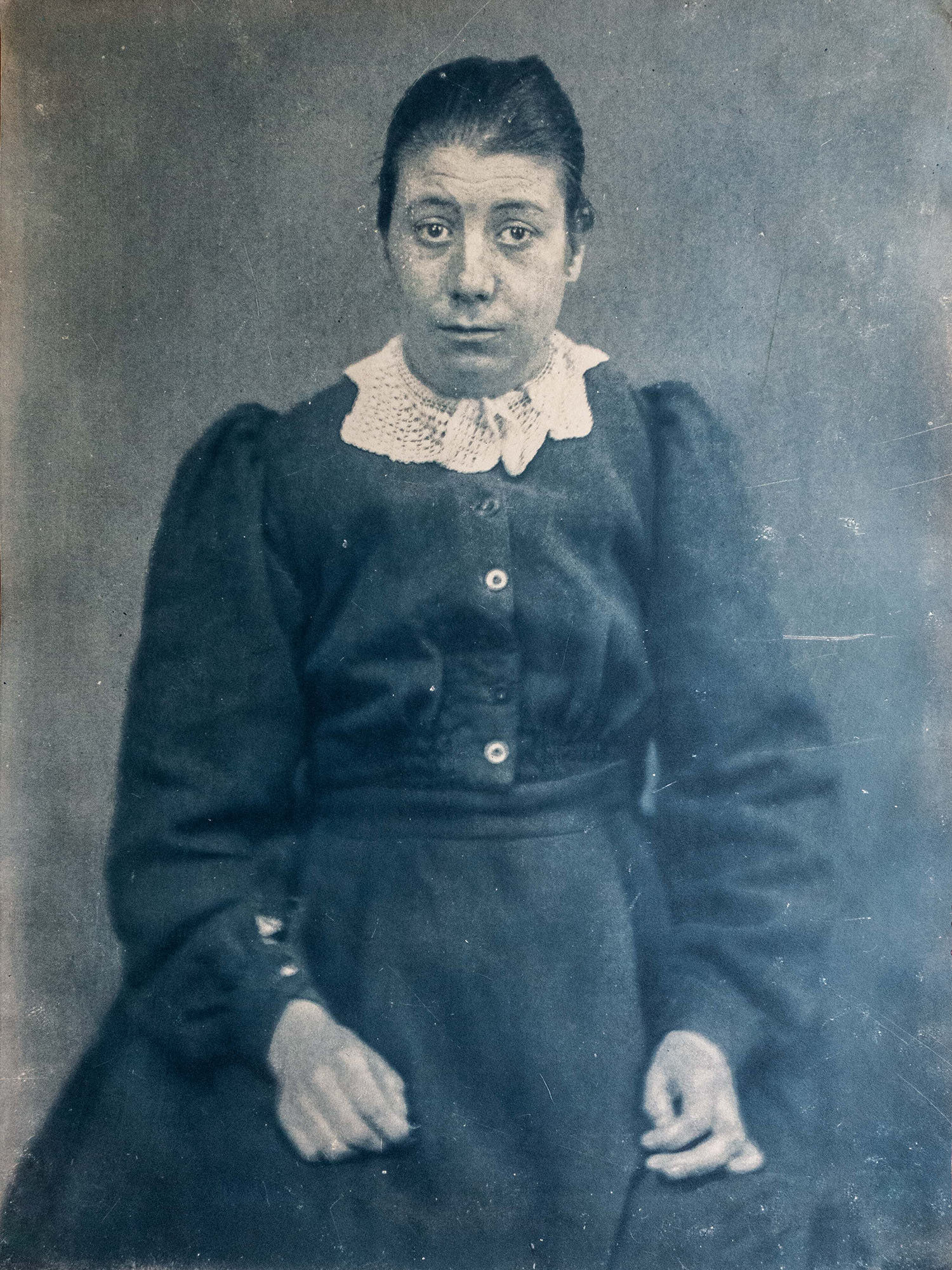
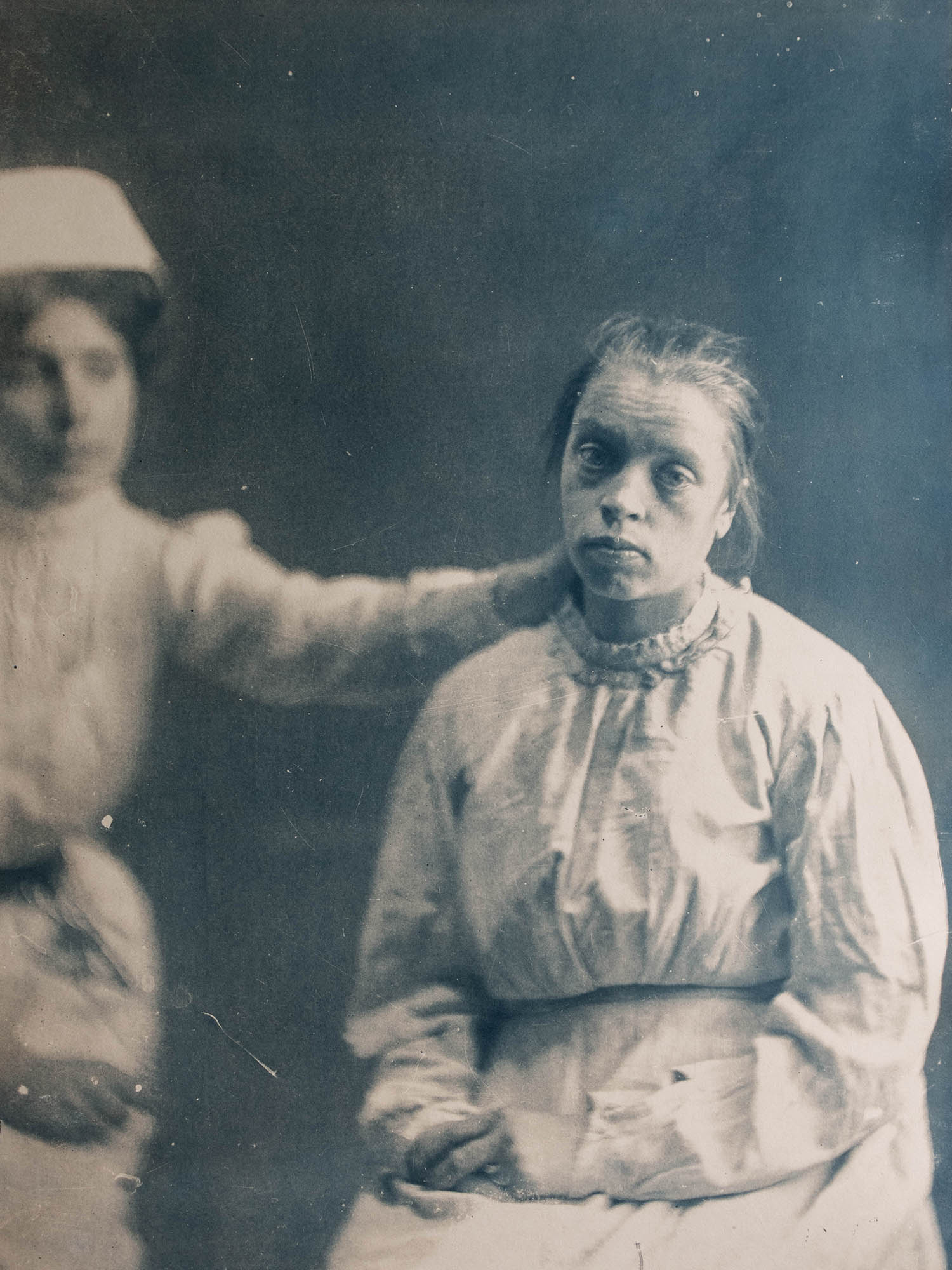
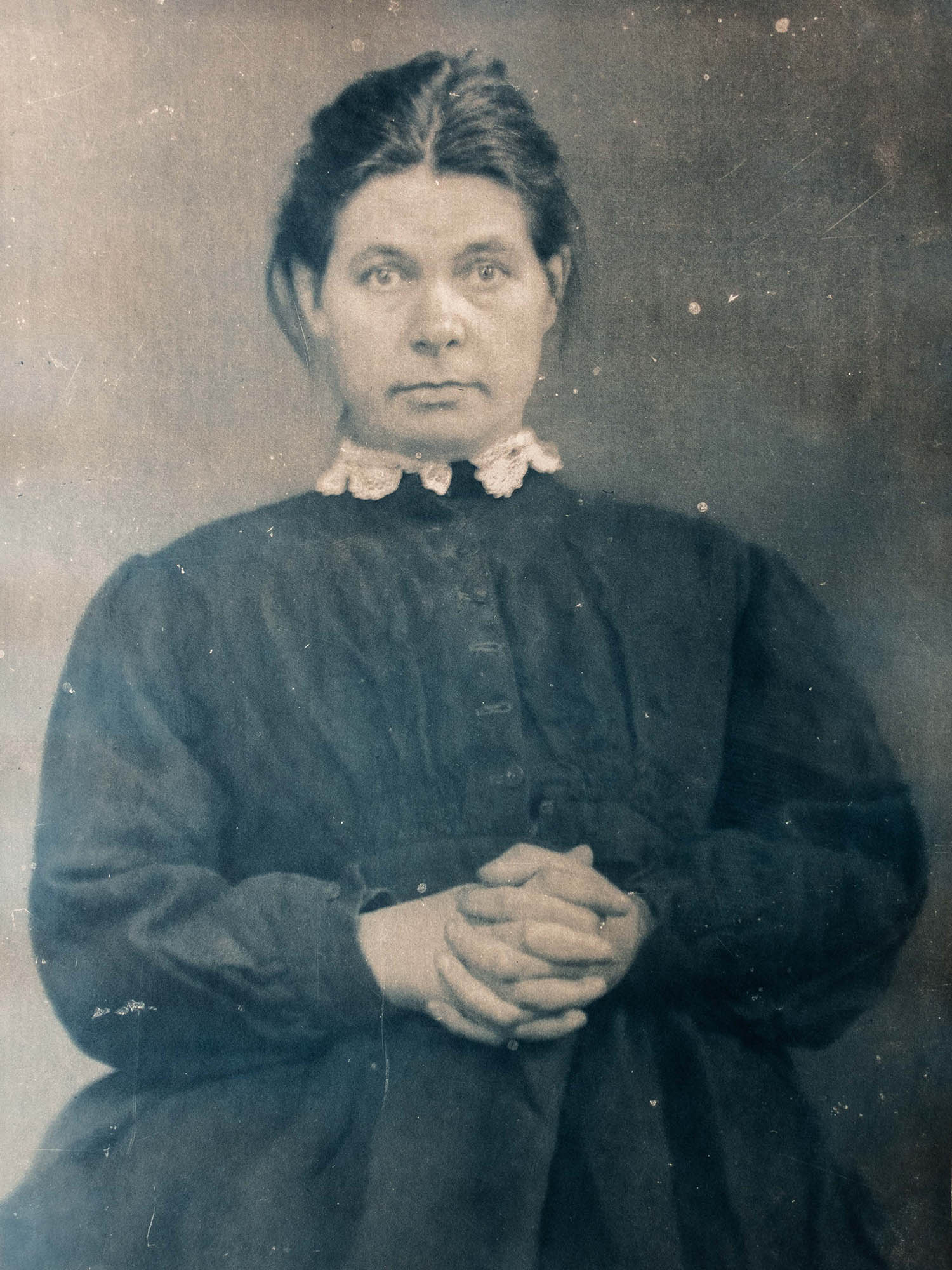
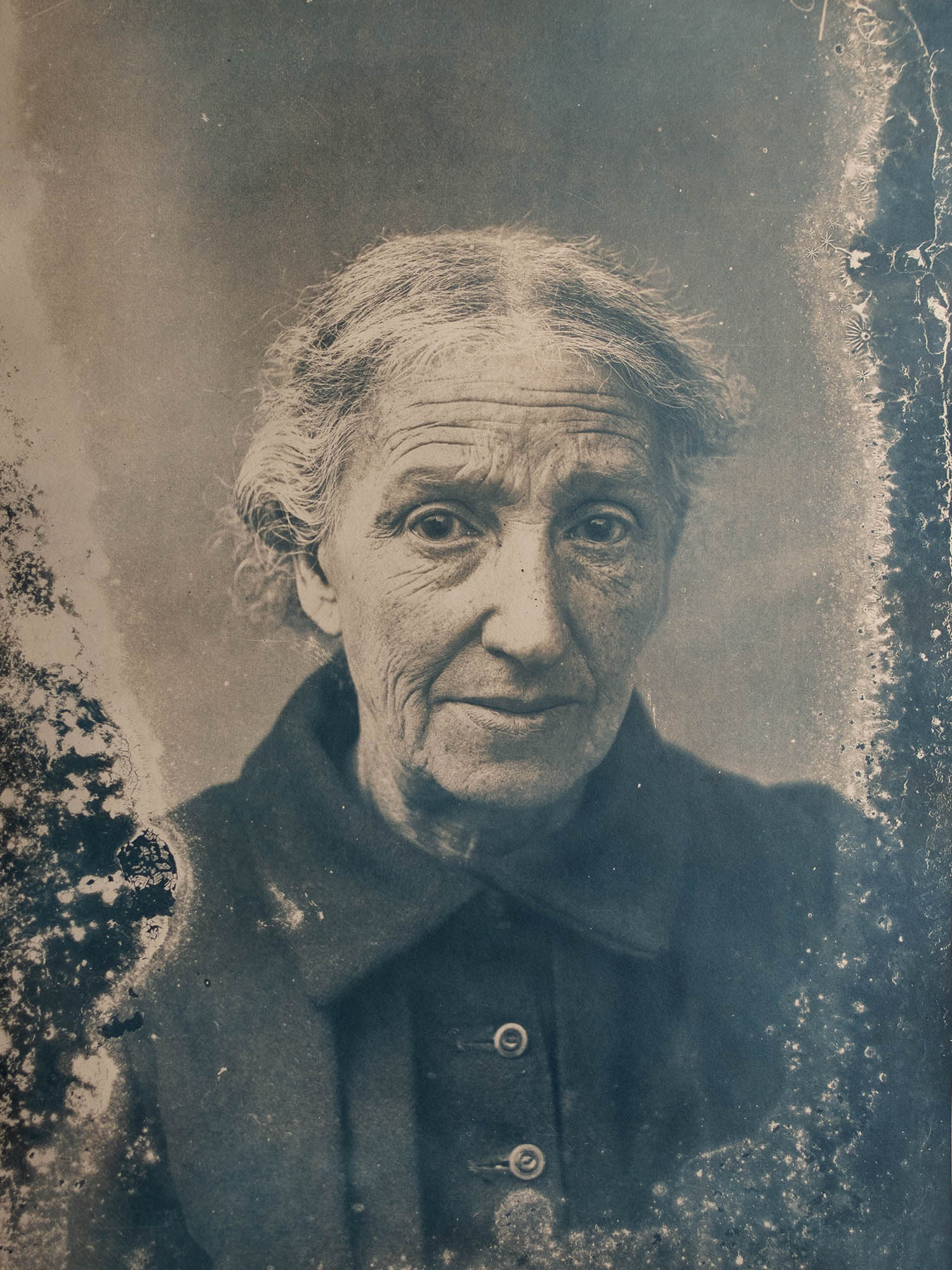
The project focuses on the lives of pauper patients in five mental asylums in Epsom, Surrey – the ‘Epsom Cluster’. During the residency, I conducted research on archive materials at the Surrey History Centre in Woking, including patient portrait photographs and their corresponding medical case notes.
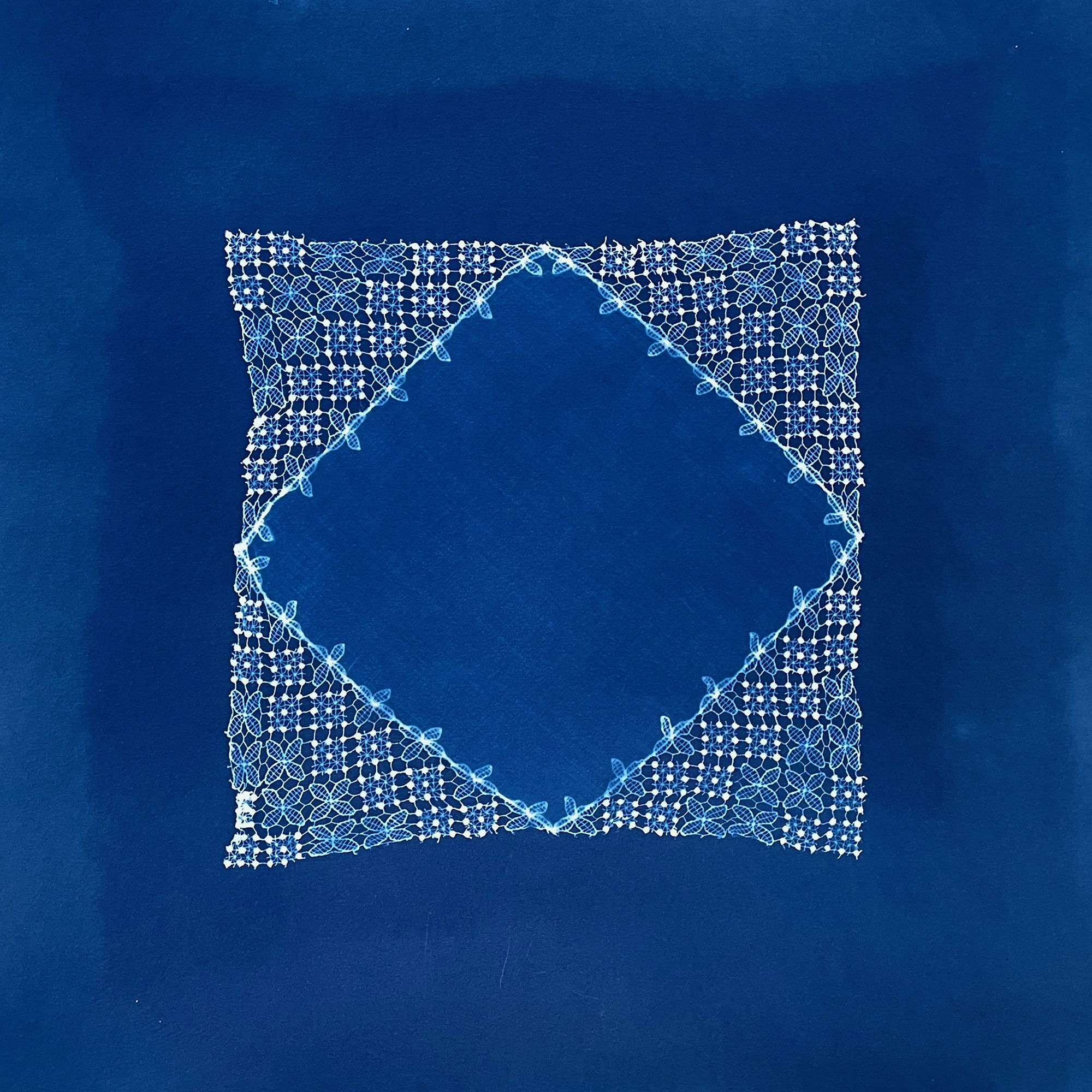
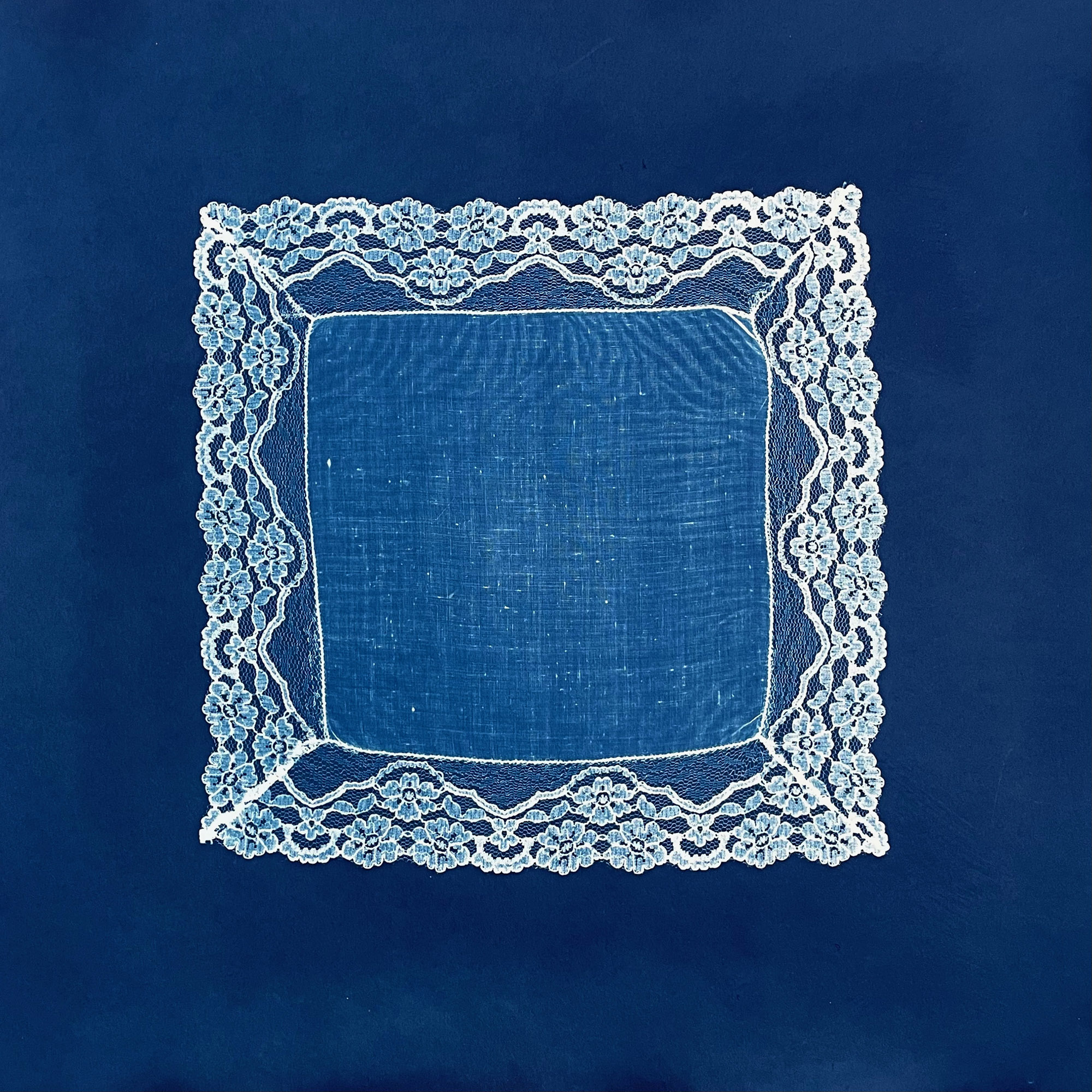
The works resulting from this residency comprise three interrelated elements: Asylum Needlework, Asylum Portraits, and Apparitions: Horton Cemetery.
Asylum Needlework
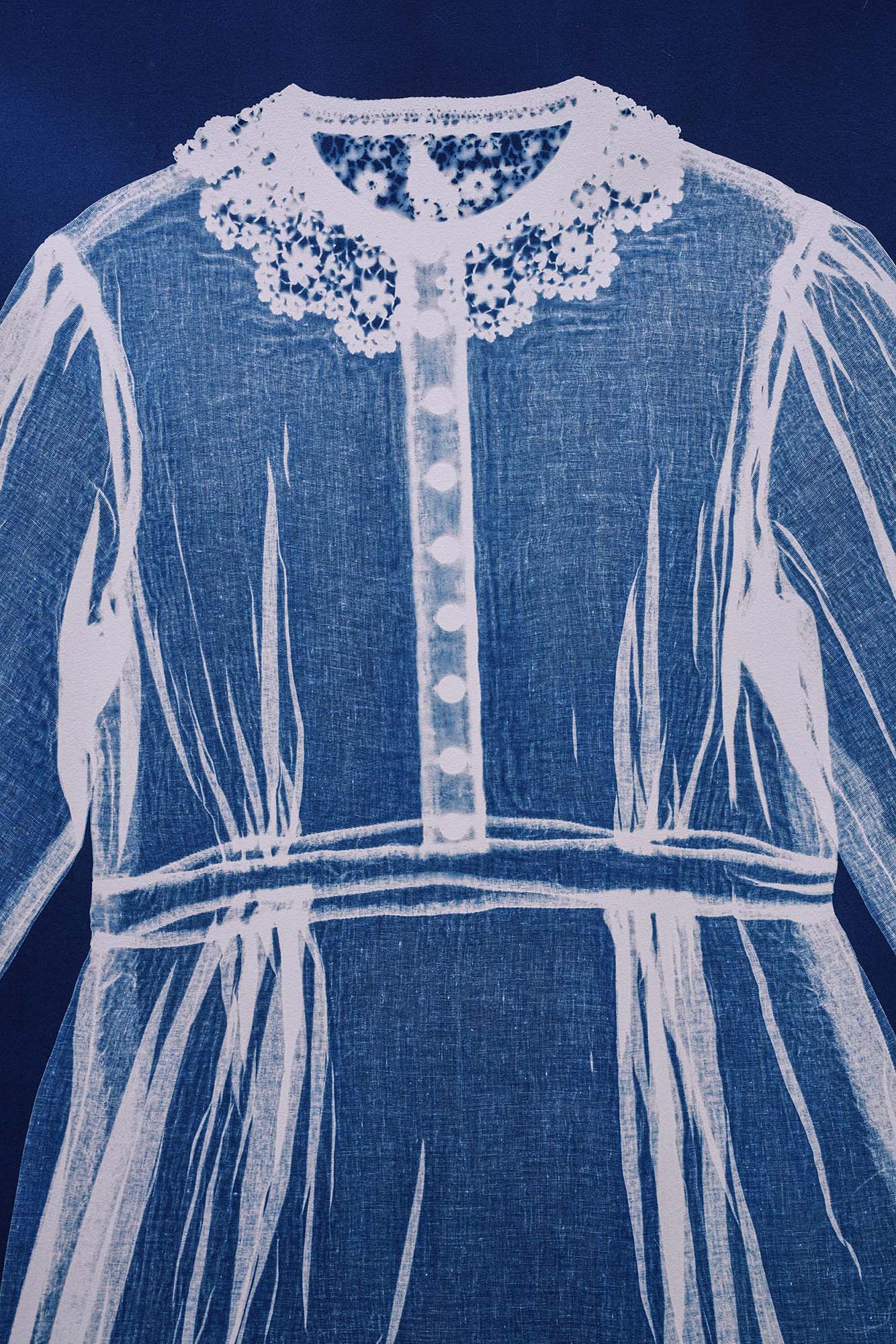
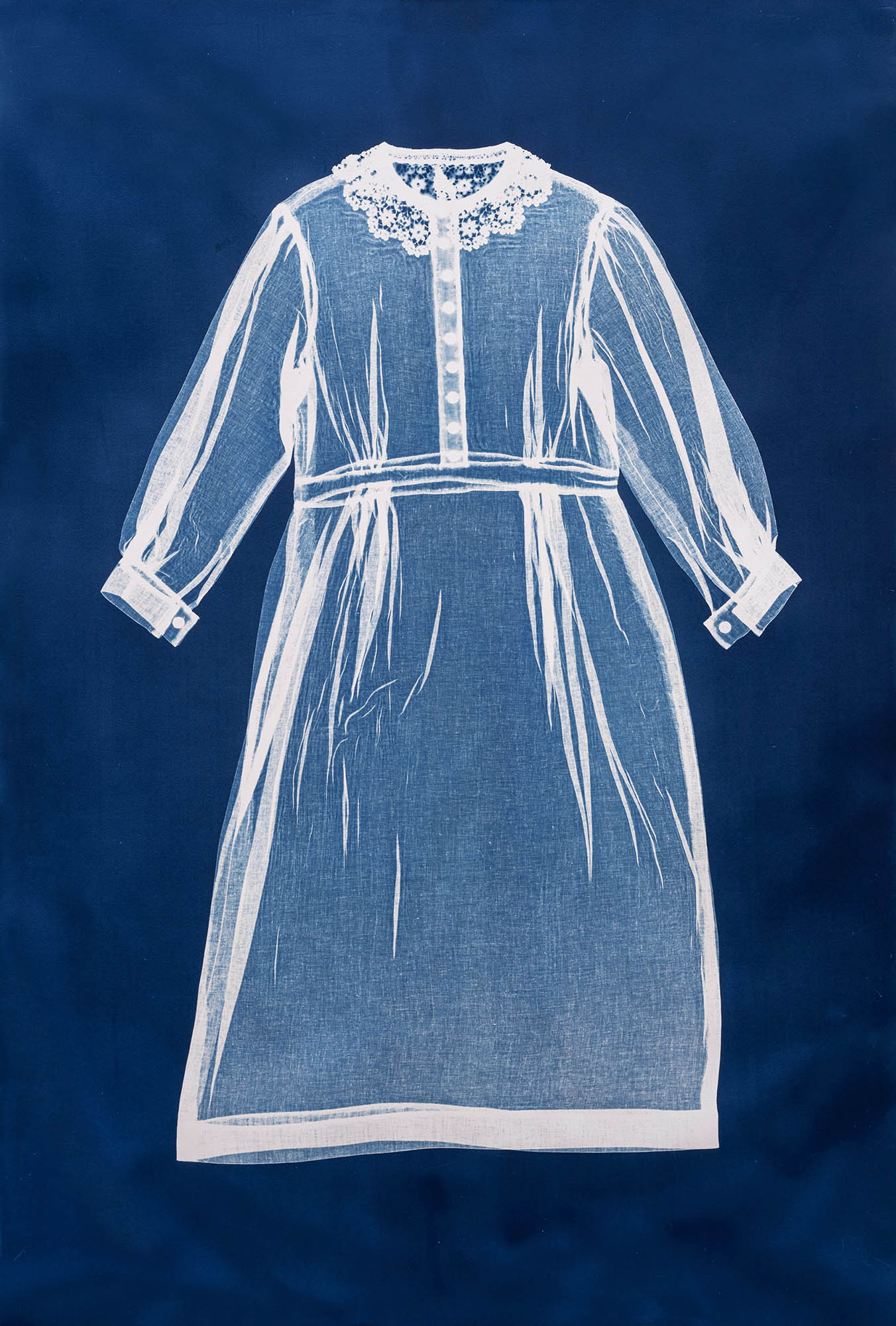
During my research on the portraits of patients in the asylums, I became intrigued by the clothes worn by the patients.
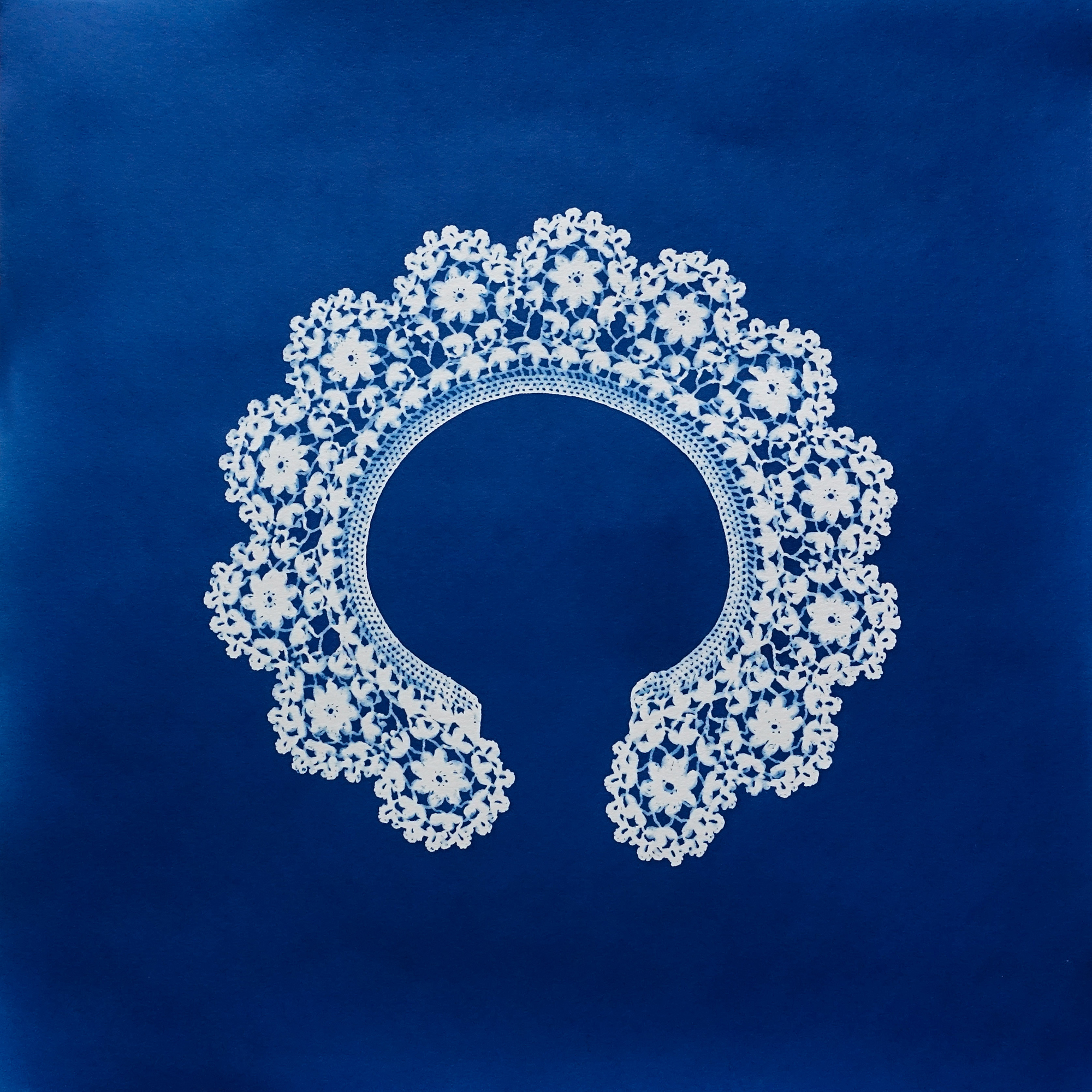
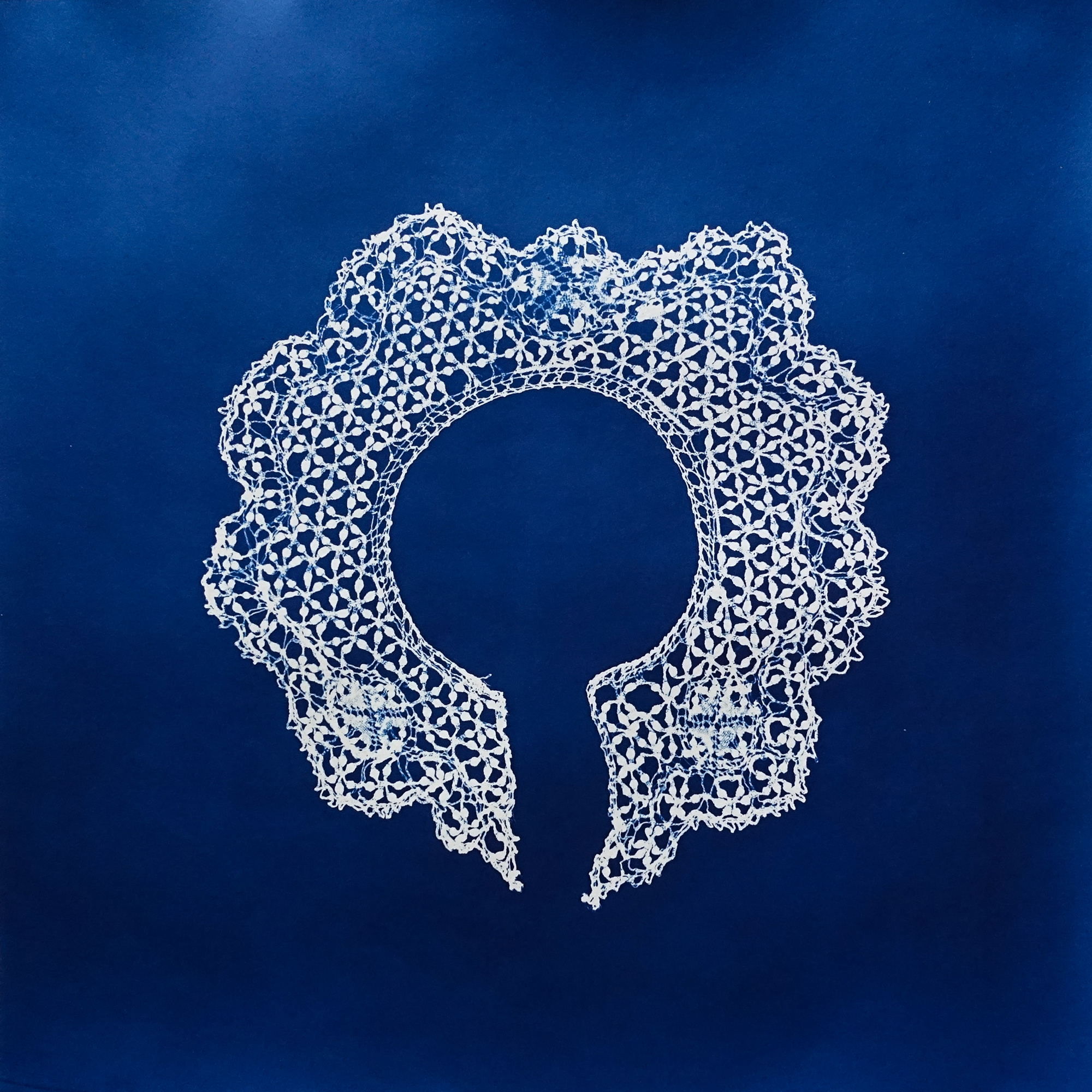
I discovered that female patients were required to wear dresses of a standard style and material, like a uniform. They were permitted to adorn their dresses with lace collars of their own choice, which in a small way allowed them to express their individuality and identity, and to regain a sense of agency.
Female patients were often encouraged to do needlework as a form of ‘moral therapy’. Records from the asylums showed that they made or mended many items such as dresses, handkerchiefs, collarettes, bedgowns, and sheets. Therefore, what they wore in the asylums could well be their own handiwork.
While the asylum authorities believed that needlework was therapeutic for the patients, a medical case note revealed that a patient complained that she was kept there because she was good at needlework and therefore useful to the asylum. It therefore raises questions about therapeutic goals and exploitation, and highlights the unequal power relationship between the patients, the officials, and the institution.
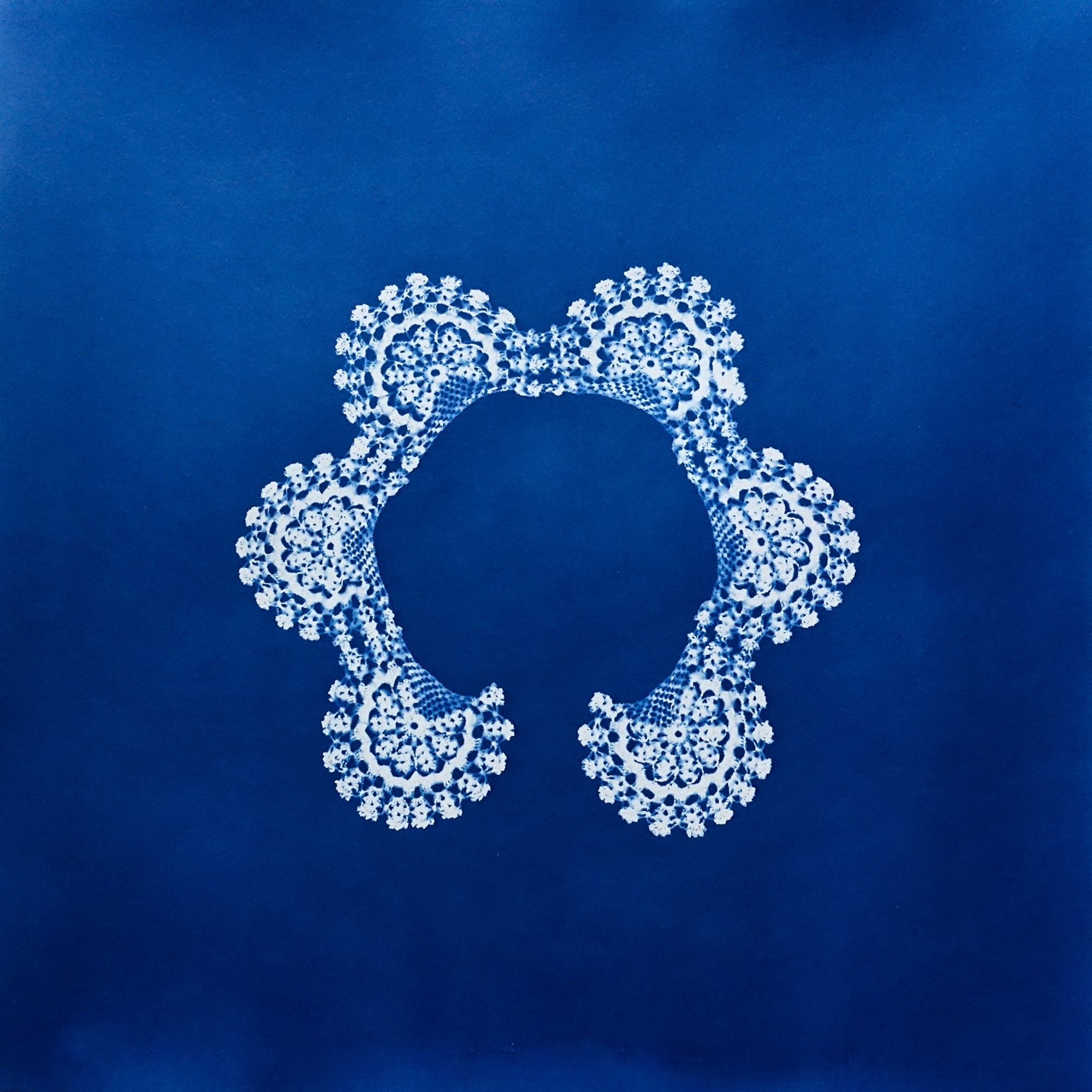
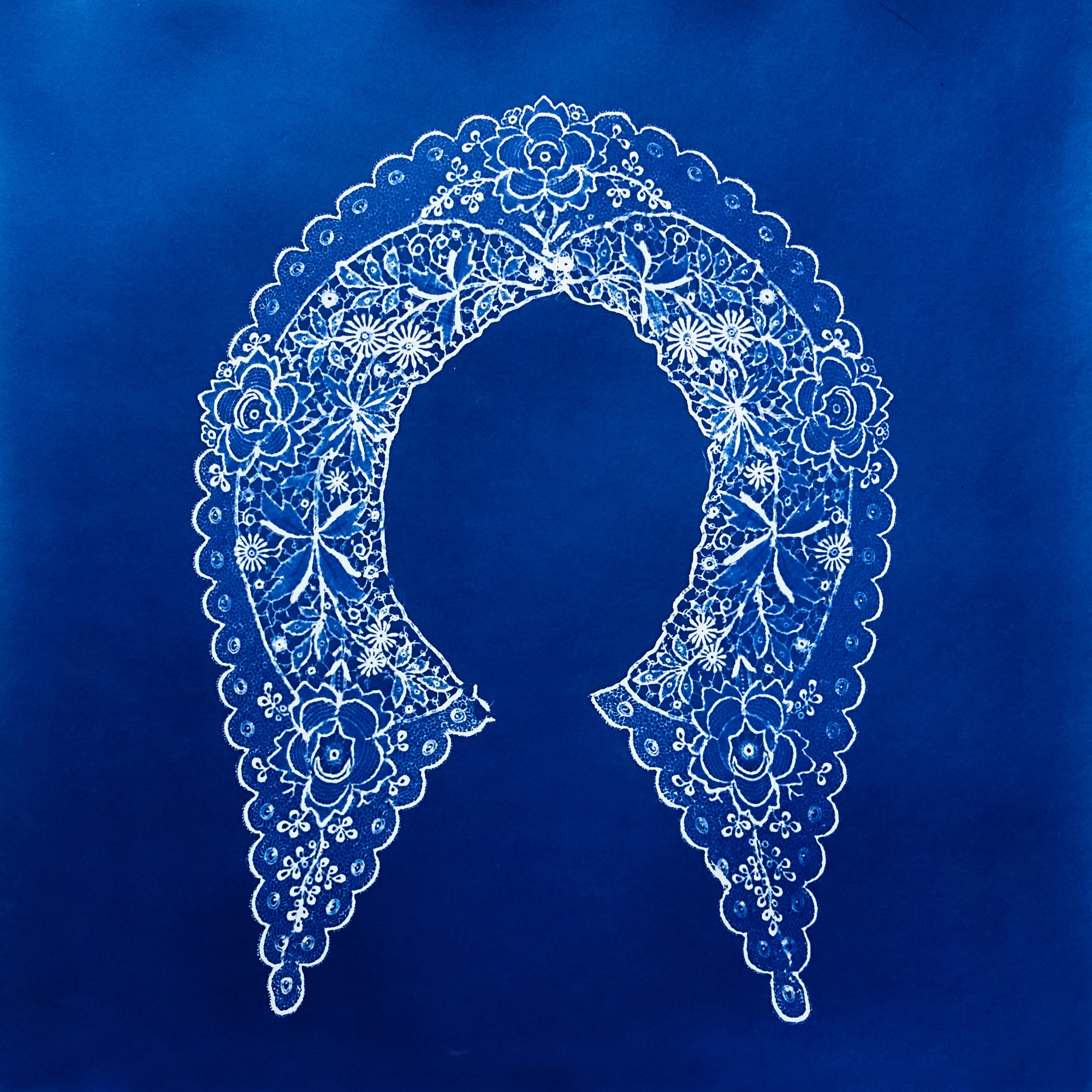
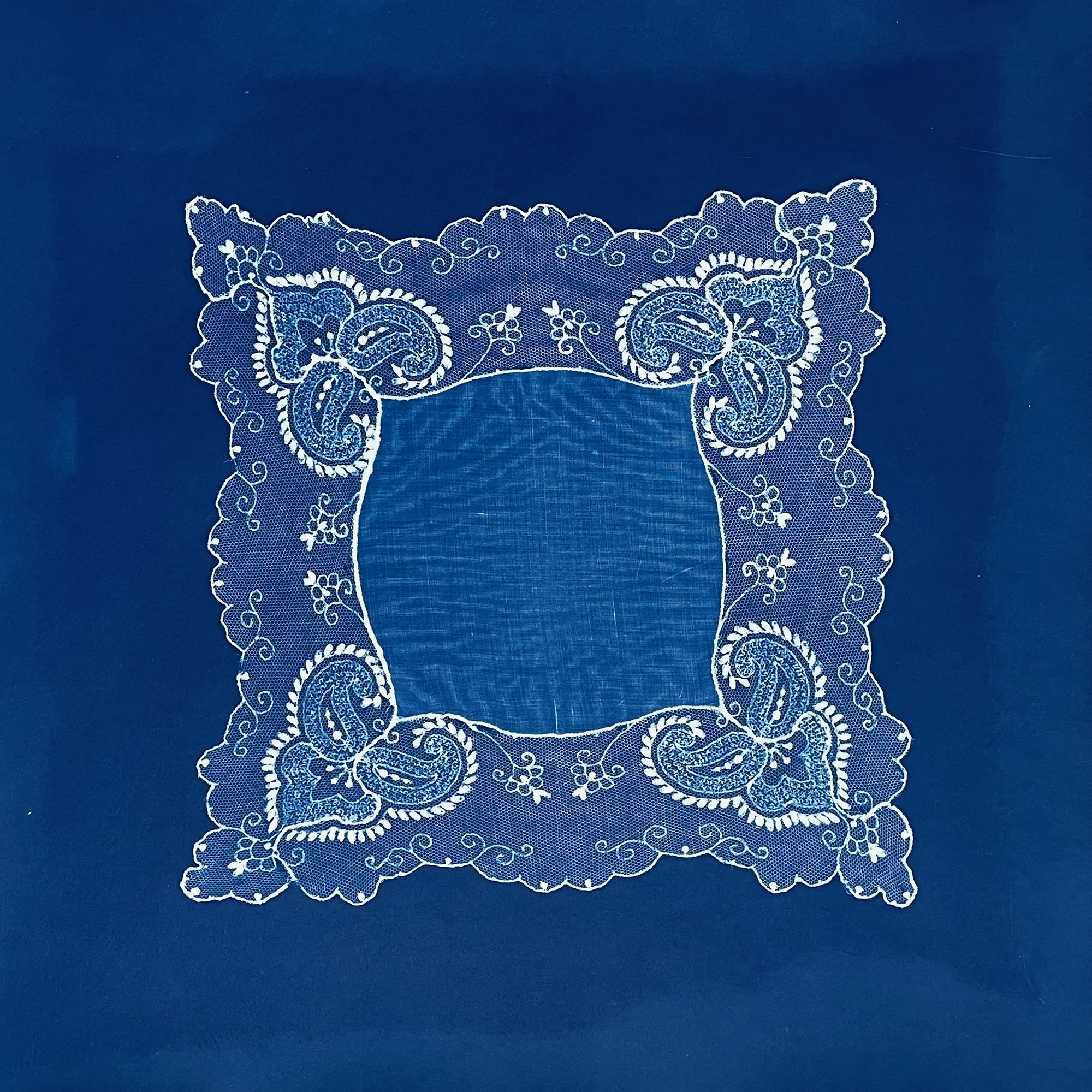
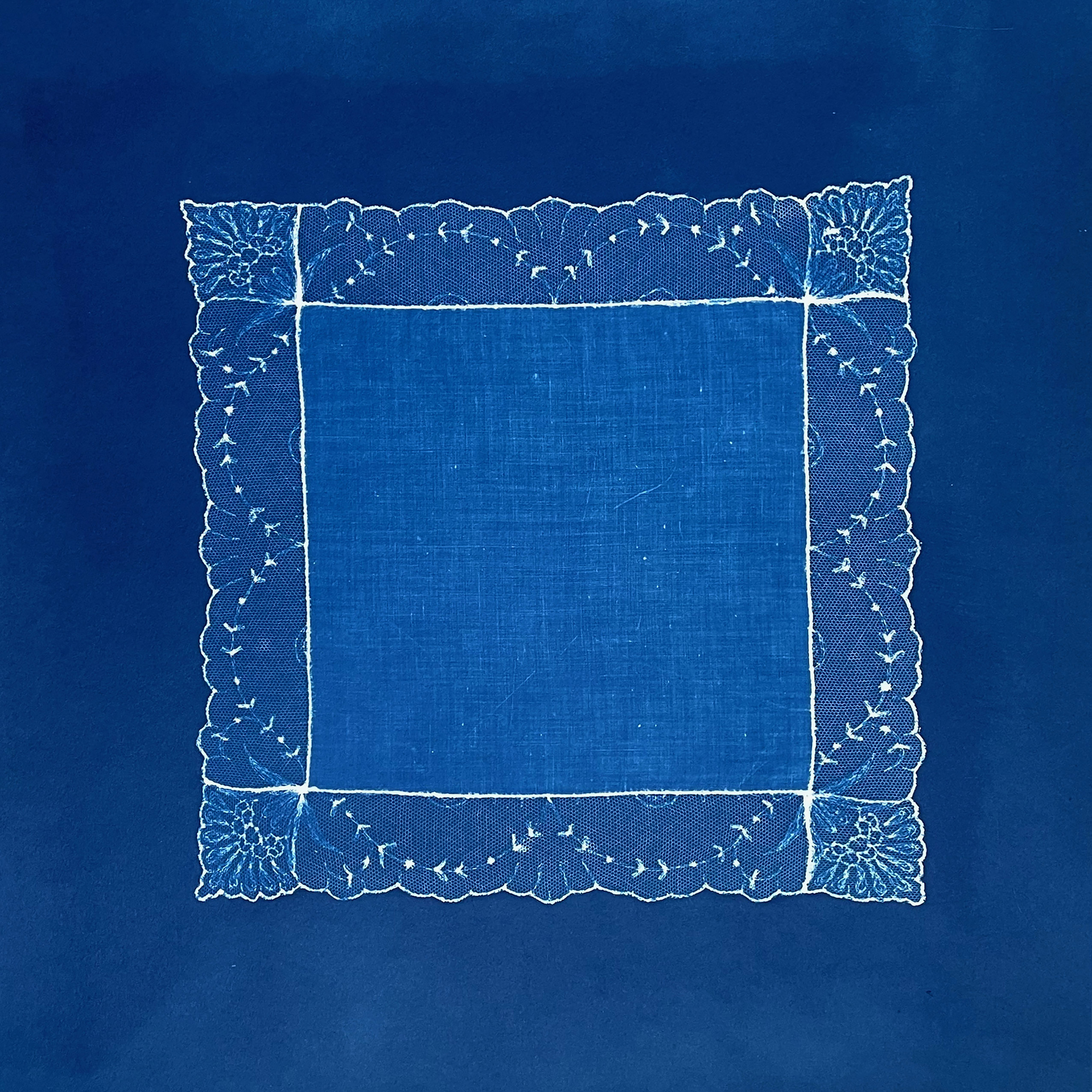
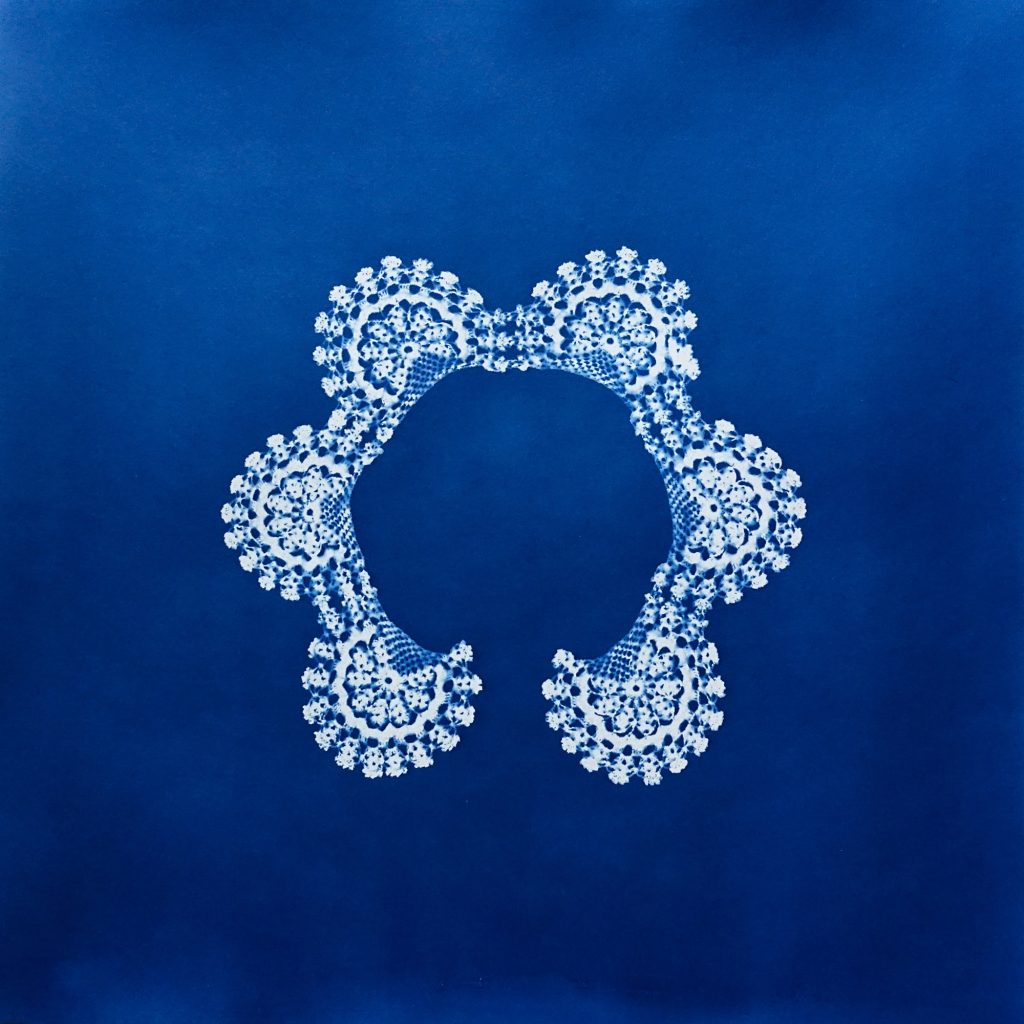
Inspired by these findings, I produced Asylum Needlework – a series of cyanotypes of recreated and found Victorian needlework, which reimagined those made, mended and worn by female patients in the asylums.