Blog
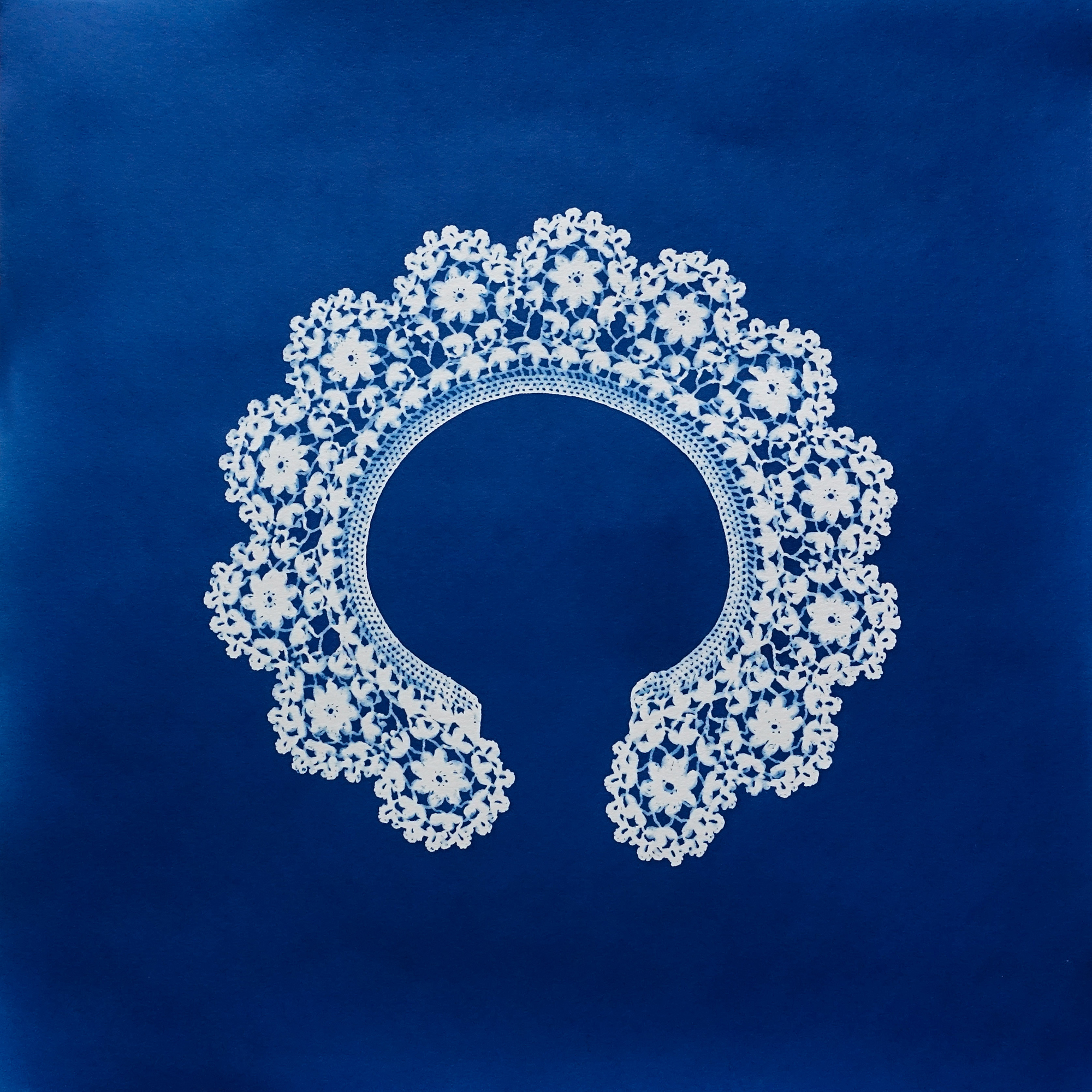
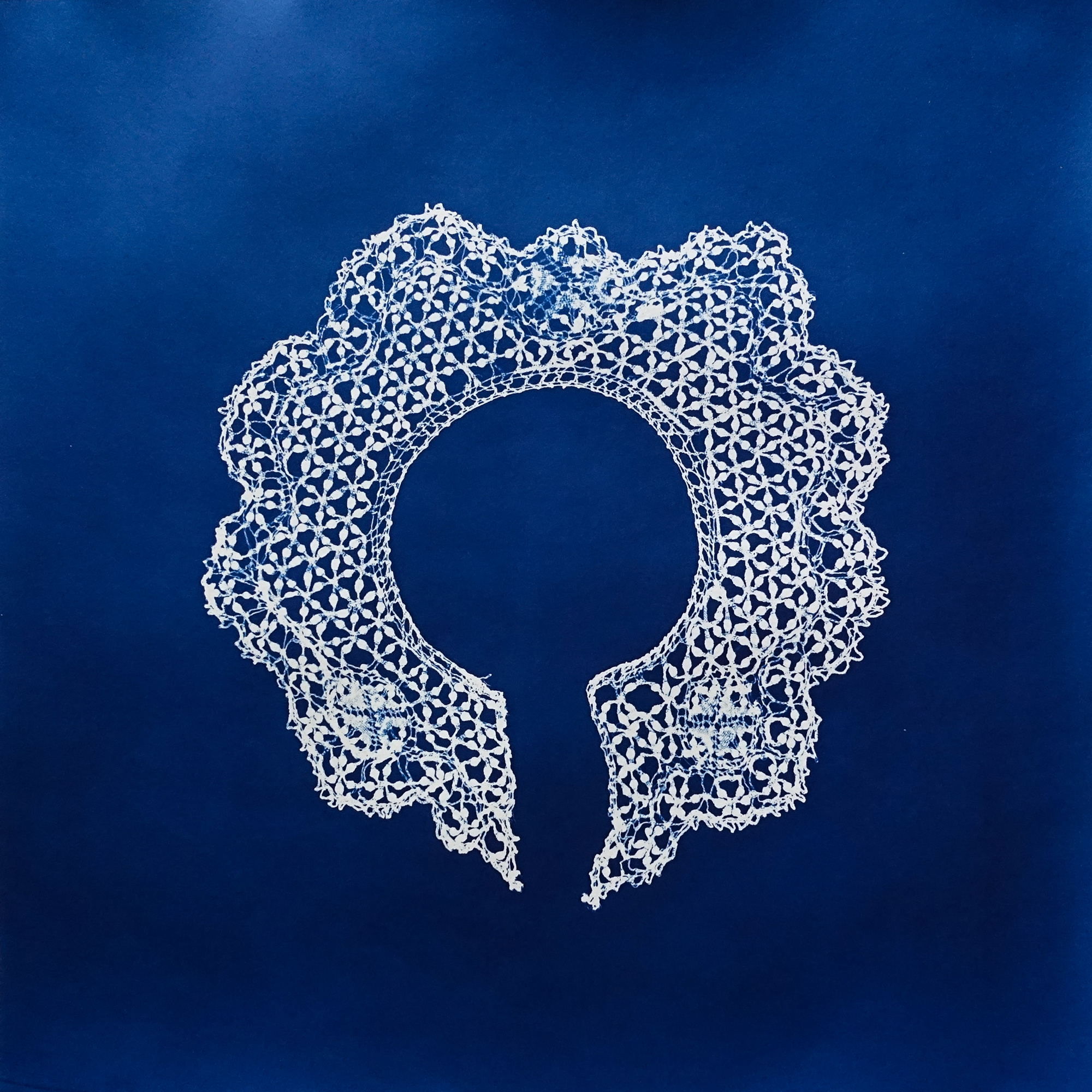
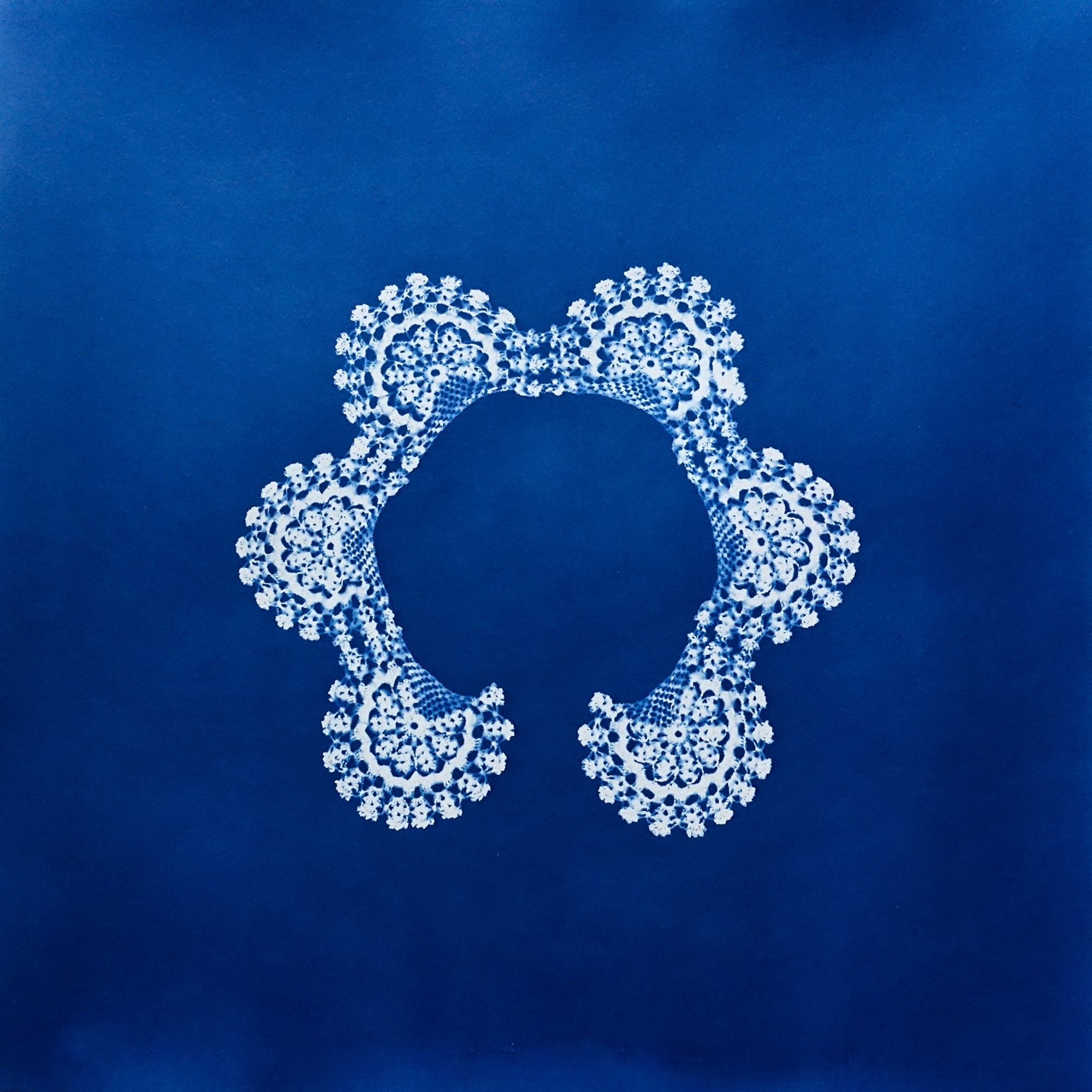
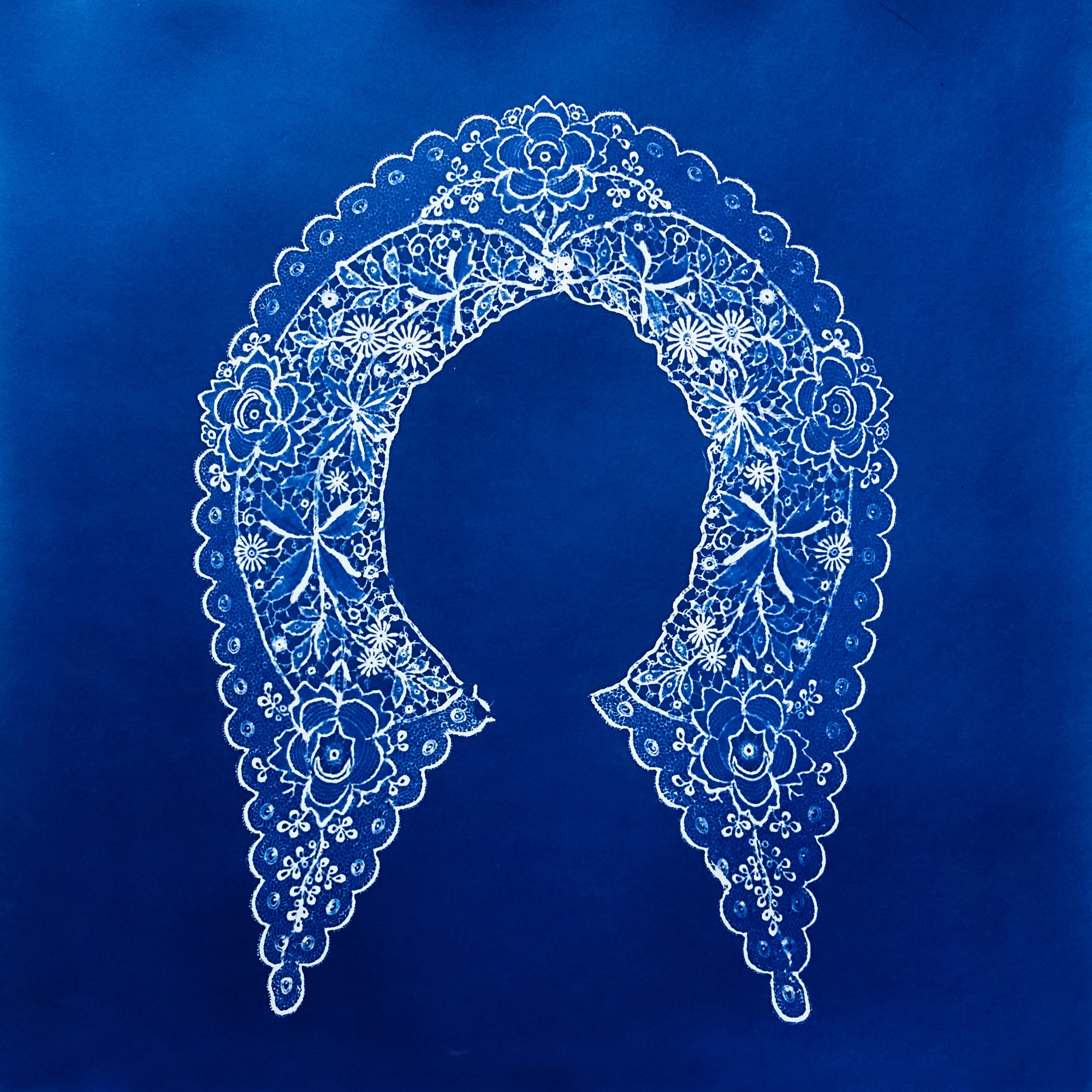
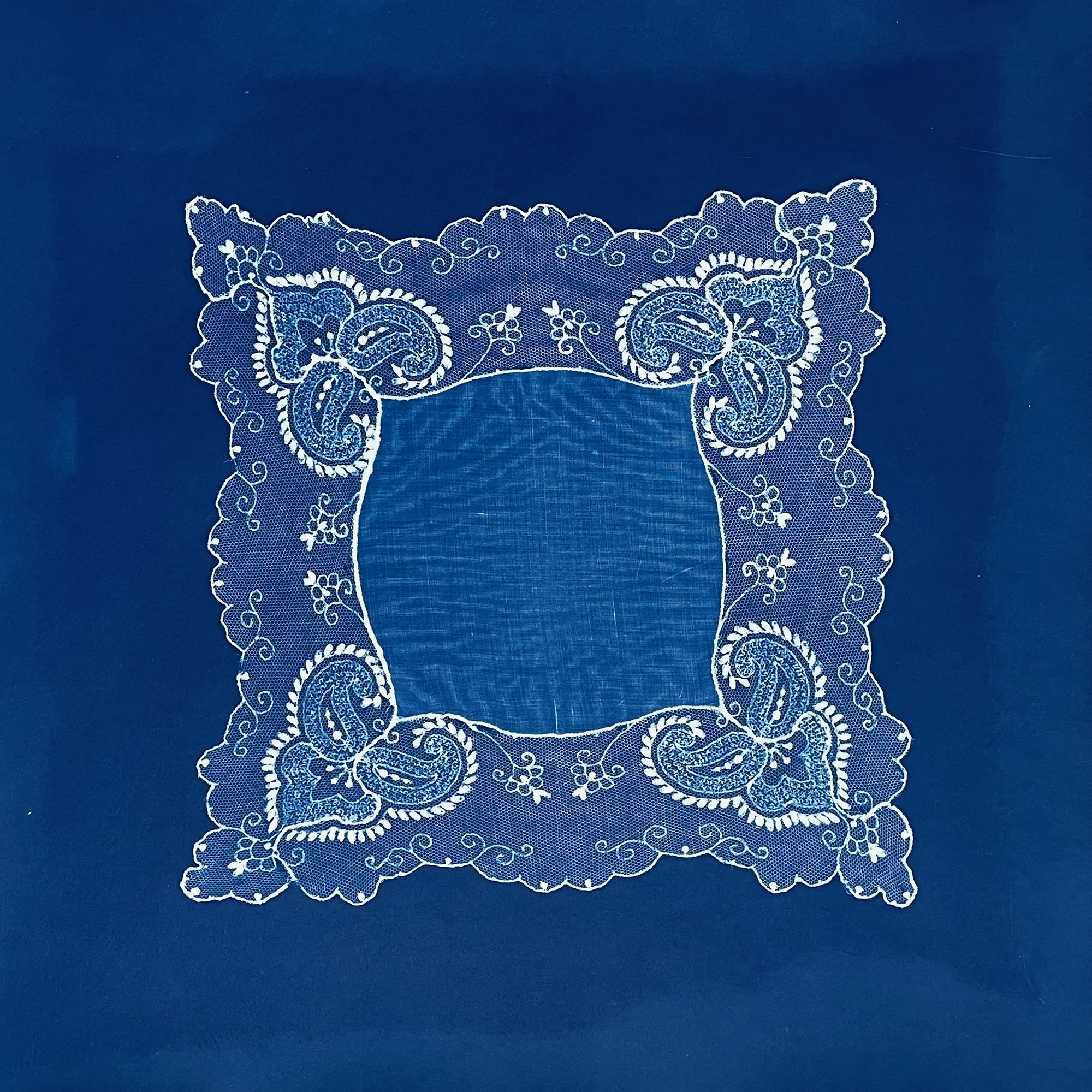
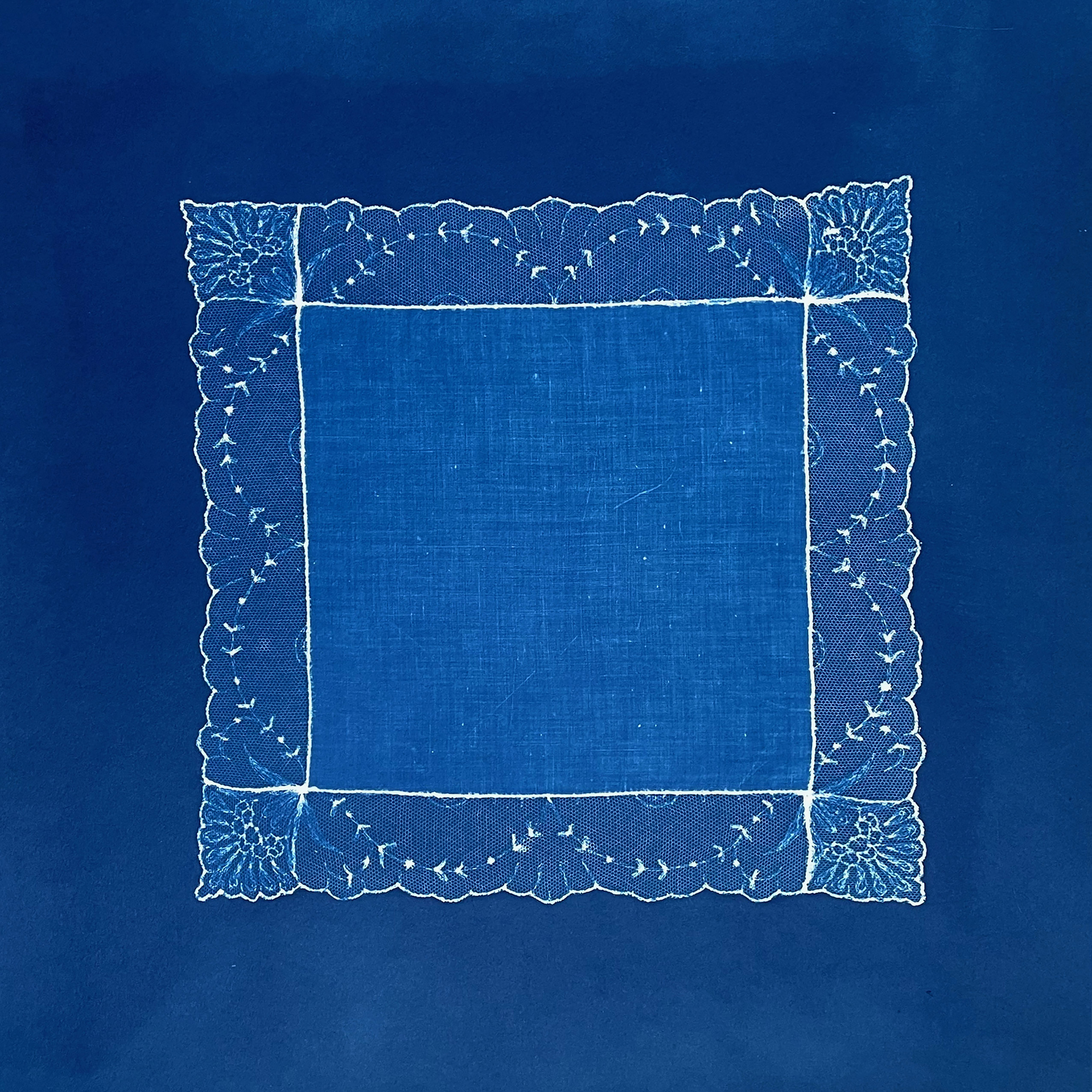
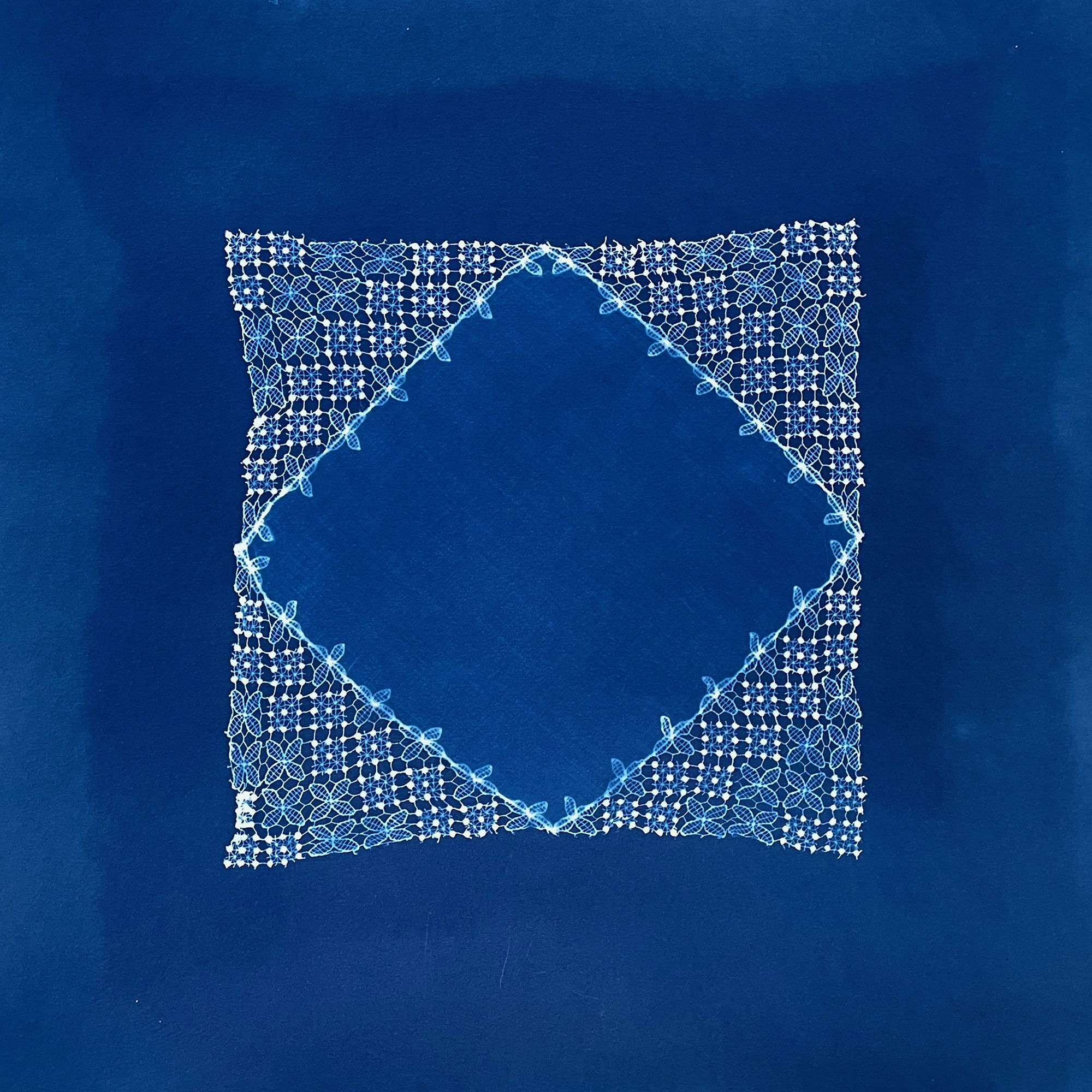
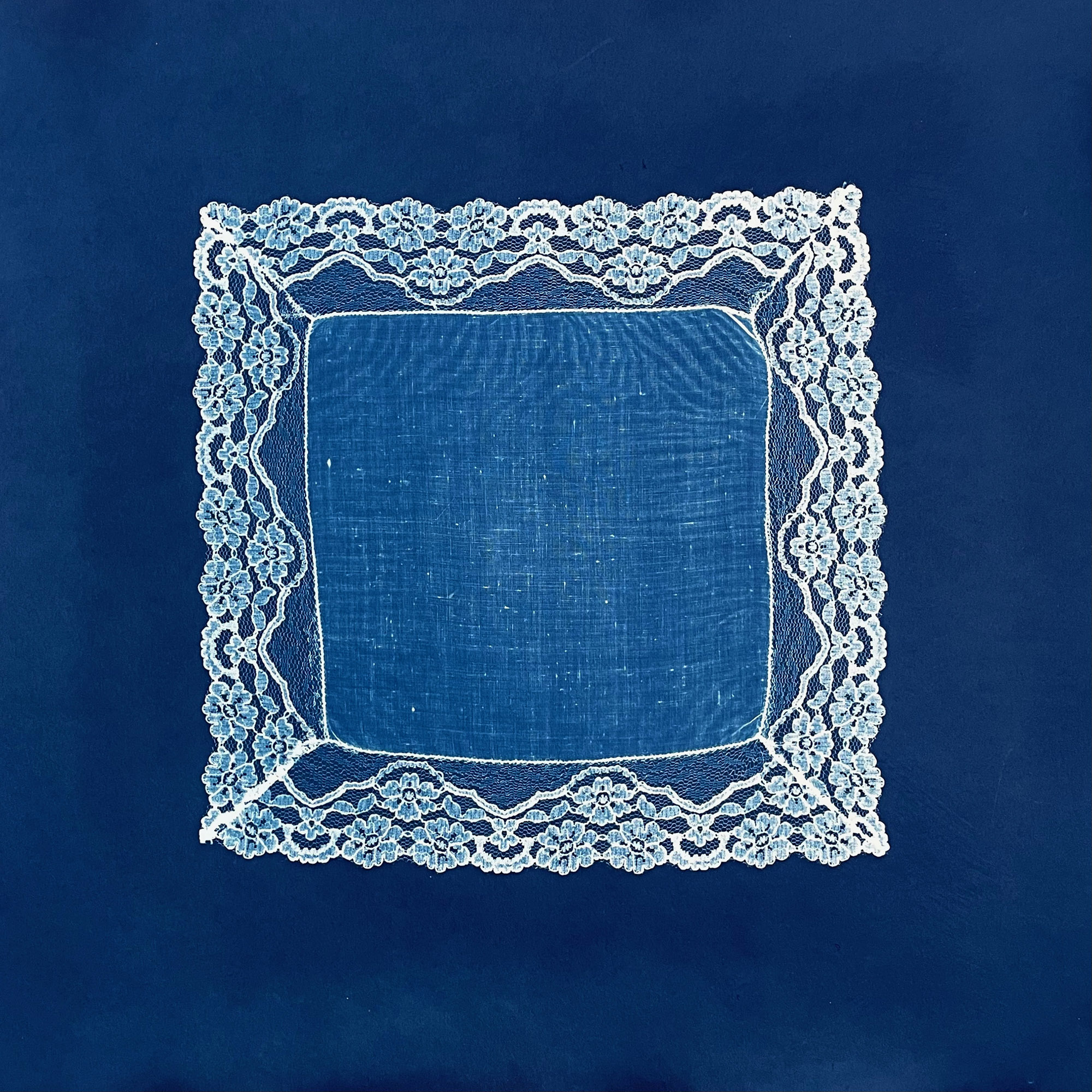
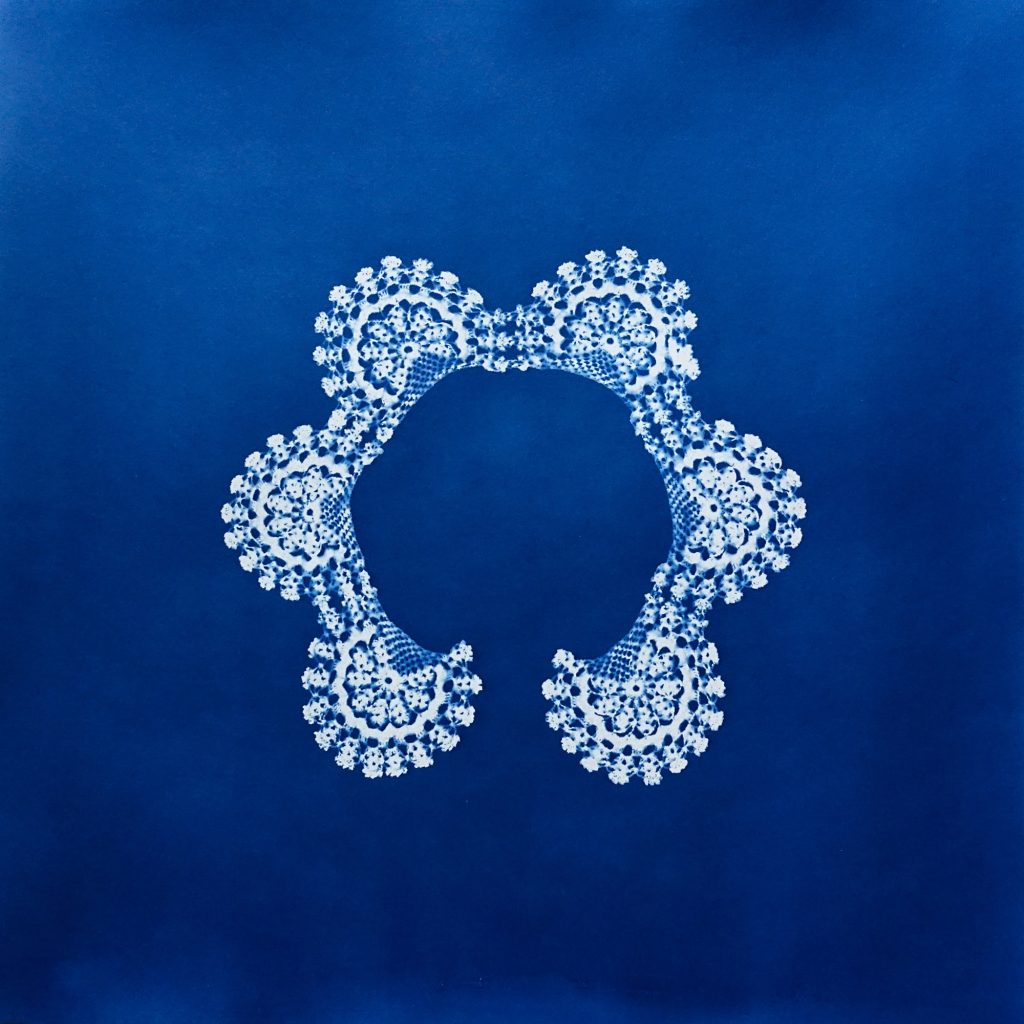
Collarettes and Handkerchiefs: cyanotypes of found Victorian lace collars and handkerchiefs. Dimensions: 44 x 44 cm each

Image caption: Collarettes and Handkerchiefs: cyanotypes of found Victorian lace collars and handkerchiefs. Dimensions: 44 x 44 cm each


Eric Fong is a multidisciplinary artist based in London. After working as a GP in Canada for many years, he retrained in fine art and gained an MFA from Goldsmiths College, University of London. His practice is driven by a keen interest in the juncture between art, science, and medicine, informed by his experience as a former doctor. His process involves in-depth research and interdisciplinary collaboration.

Victorian Asylums is a project that began as an artist residency at Kings College London, in collaboration with Alana Harris, Professor of Gender and Modern Religious History.

The project focuses on the lives of pauper patients in five mental asylums in Epsom, Surrey – the ‘Epsom Cluster’. During the residency, I conducted research on archive materials at the Surrey History Centre in Woking, including patient portrait photographs and their corresponding medical case notes.

The works resulting from this residency comprise three interrelated elements: Asylum Needlework, Asylum Portraits, and Apparitions: Horton Cemetery.

Asylum Needlework

During my research on the portraits of patients in the asylums, I became intrigued by the clothes worn by the patients.

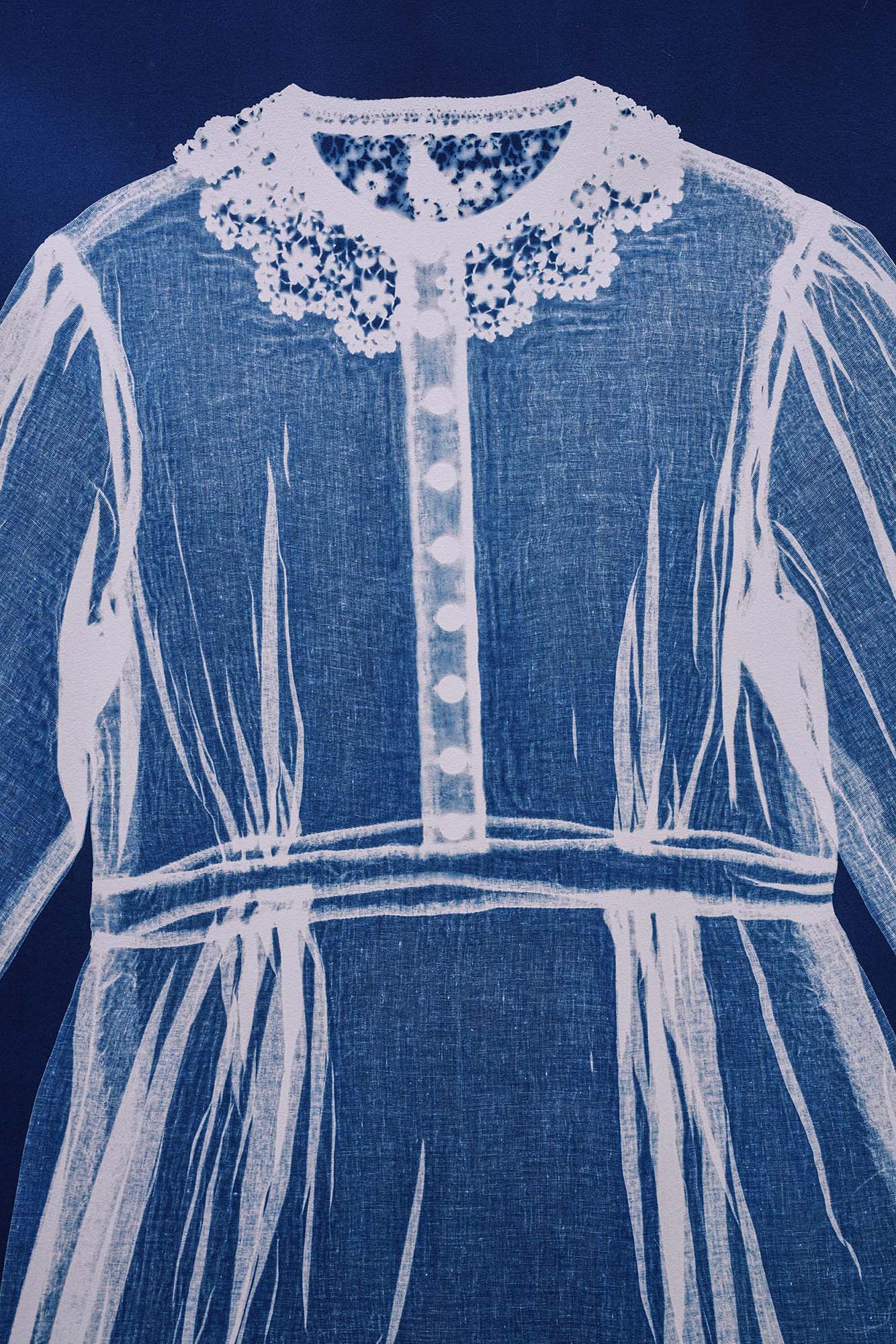
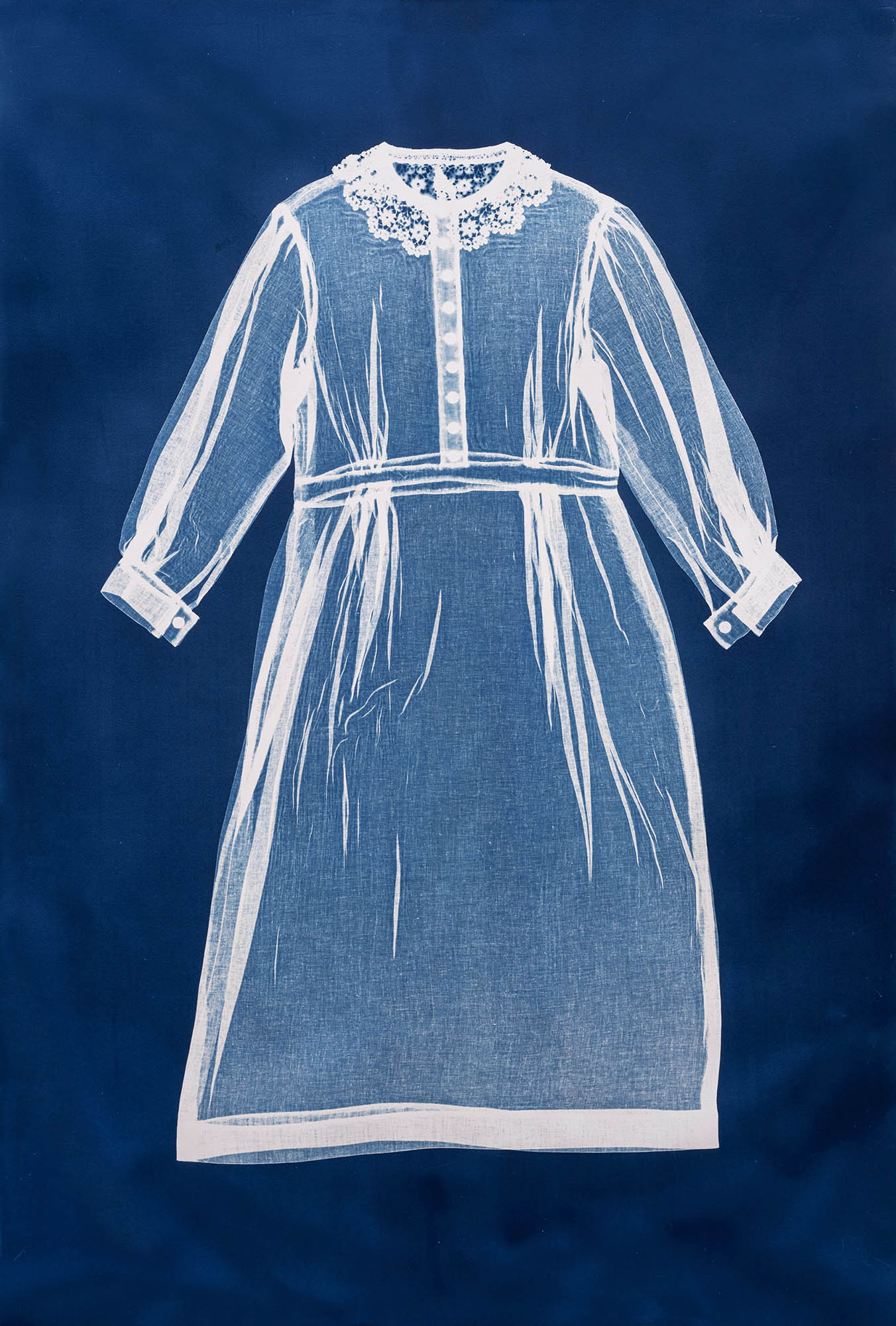
I discovered that female patients were required to wear dresses of a standard style and material, like a uniform. They were permitted to adorn their dresses with lace collars of their own choice, which in a small way allowed them to express their individuality and identity, and to regain a sense of agency.

Female patients were often encouraged to do needlework as a form of ‘moral therapy’. Records from the asylums showed that they made or mended many items such as dresses, handkerchiefs, collarettes, bedgowns, and sheets. Therefore, what they wore in the asylums could well be their own handiwork.

While the asylum authorities believed that needlework was therapeutic for the patients, a medical case note revealed that a patient complained that she was kept there because she was good at needlework and therefore useful to the asylum. It therefore raises questions about therapeutic goals and exploitation, and highlights the unequal power relationship between the patients, the officials, and the institution.

Inspired by these findings, I produced Asylum Needlework – a series of cyanotypes of recreated and found Victorian needlework, which reimagined those made, mended and worn by female patients in the asylums.
Asylum Portraits

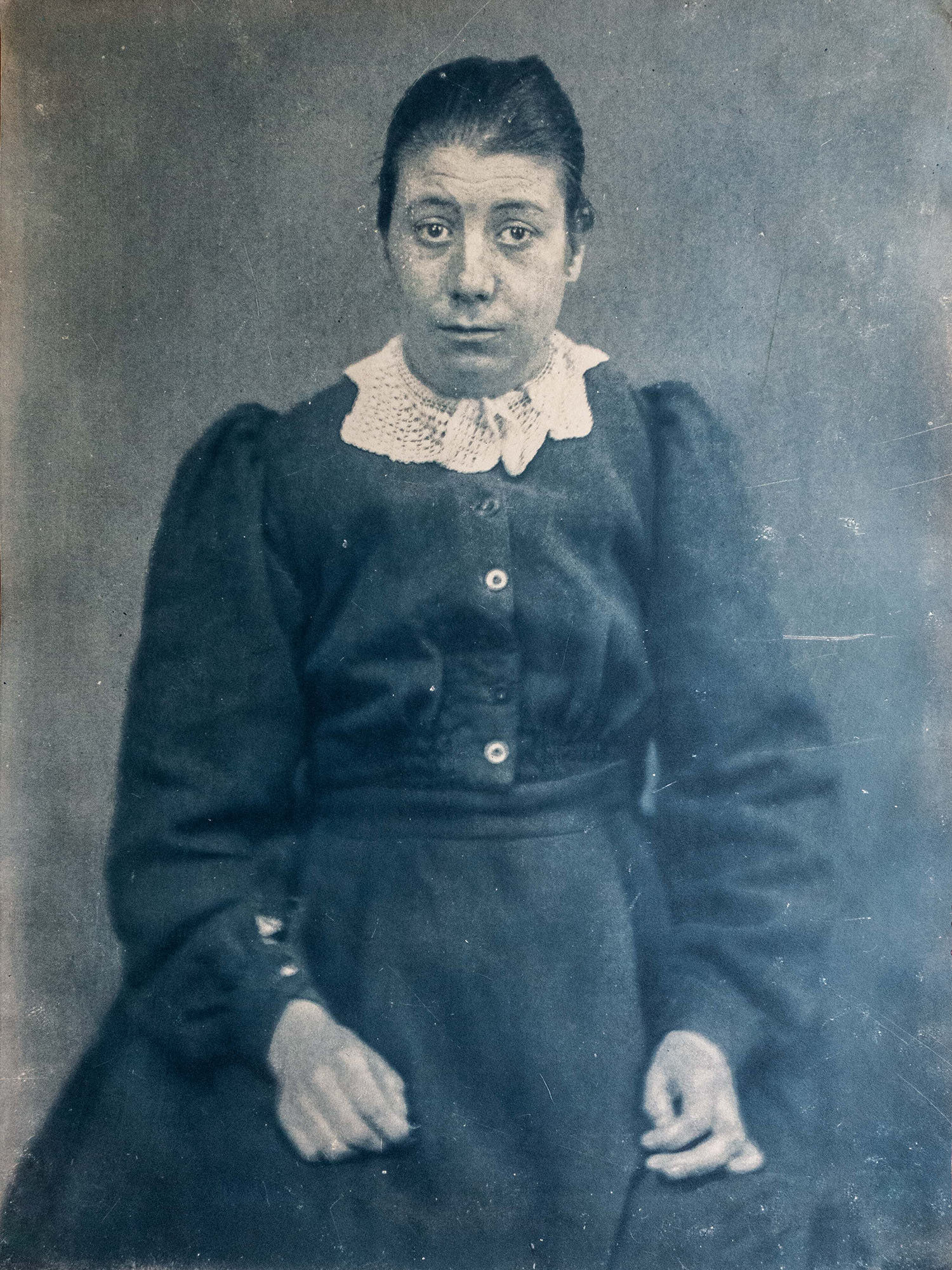
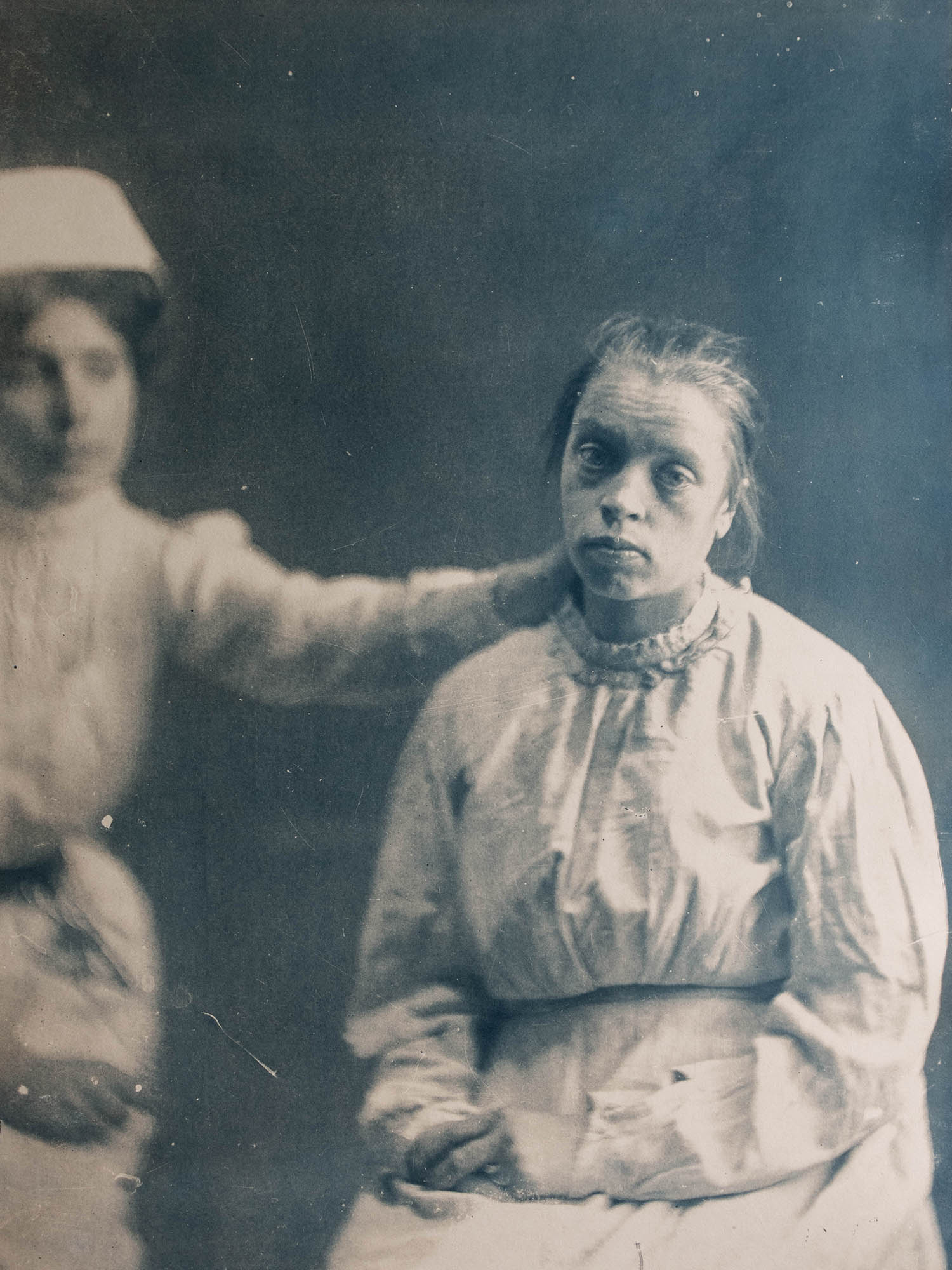
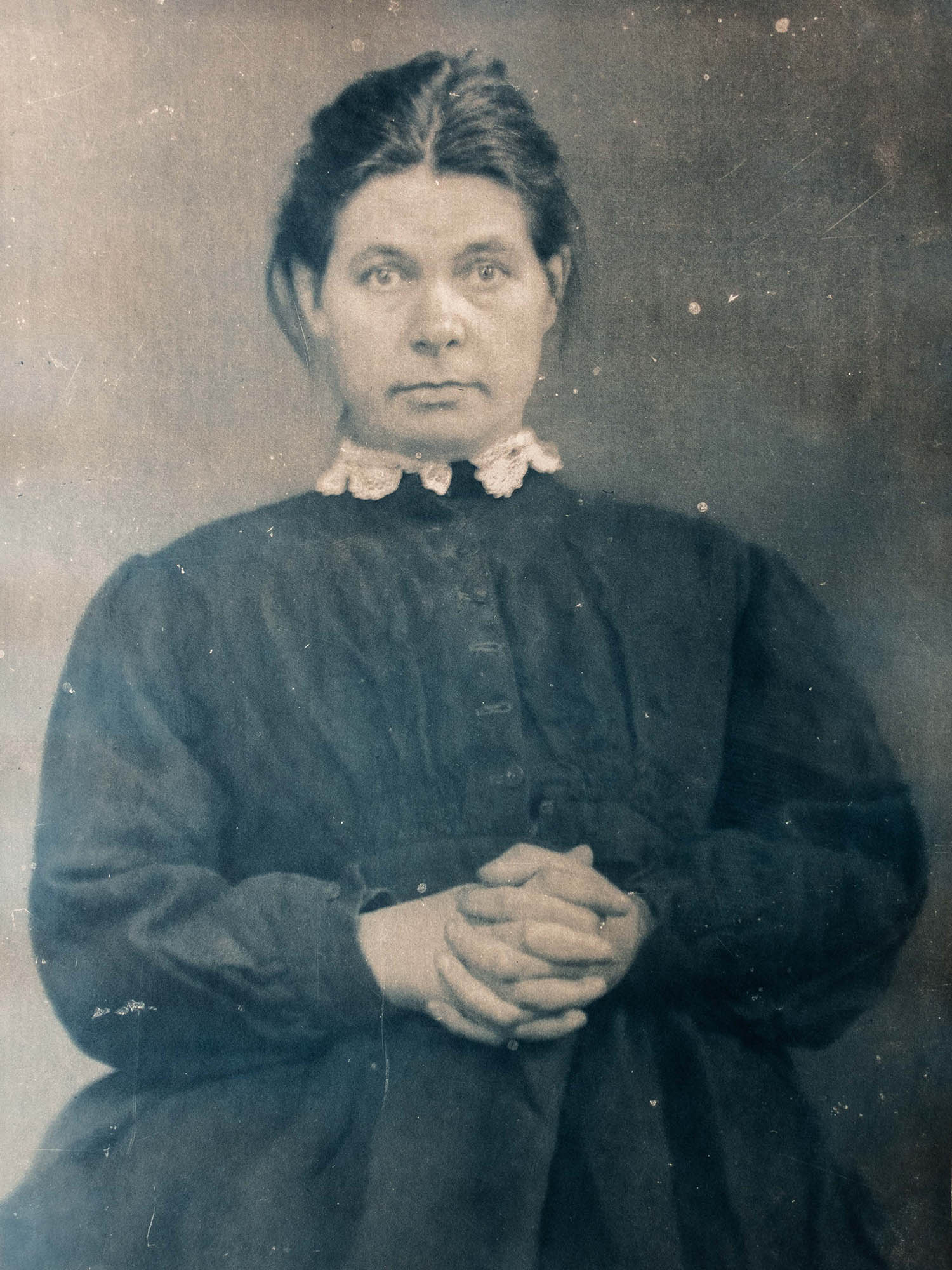
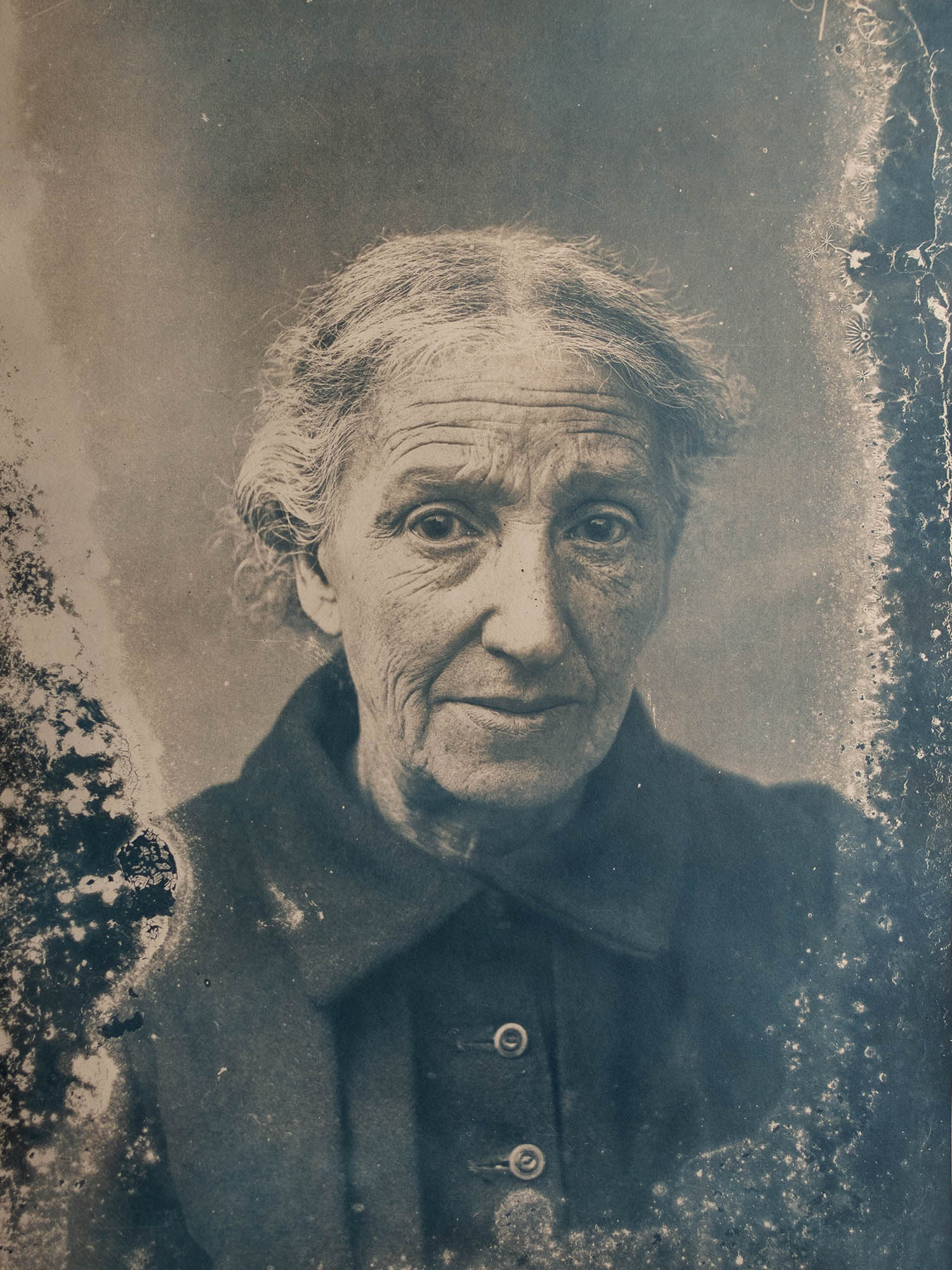
 A series of cyanotype portraits developed from historical glass plate negatives of pauper patients from the Epsom Cluster. The original images were captured by asylum officials as visual records for categorisation and identification. Asylum Portraits focuses specifically on those who were buried in the nearby Horton Cemetery. In 1983, the cemetery was sold to a private developer who then abandoned the site when the local council refused to grant permission for development. It is now derelict and overgrown with trees, ivy, and brambles.

Inspired by the thought that the patients’ bodies have merged with the soil below and the vegetation above, the cyanotypes are toned (dyed) with extracts of ivy leaves foraged from the burial site. Traces of their bodily existence are thus layered onto their images.

The original glass plate negatives were used to produce small 3×2 inch albumen prints for pasting onto medical case notes. Created for the purposes of diagnosis, identification and classification, they resemble ‘mugshots’ made for a medicalised, objectifying categorisation.

Reprinted as large 30×22 inch ivy-toned cyanotypes, Asylum Portraits recontextualises the images and subverts the objectifying medical gaze by transforming their dimension and materiality. The scale of these large works invites the viewer to scrutinise nuanced details in each portrait, engage deeply with the sitters, and consider them as individuals with unique lived experiences, rather than as anonymous, voiceless faces in mental asylums.

Apparitions: Horton Cemetery

A short film comprising a haunting journey through Horton Cemetery in Epsom, where thousands of pauper patients, mostly women, from the nearby mental asylums were buried. It is now an abandoned, derelict and overgrown site, where all grave markers have been removed, except one. The footage is overlaid with words drawn from the medical case notes of those buried there.

Watch APPARITIONS (6:28 minutes)

Detailed stories of the pauper patients buried at the Cemetery can be seen at the Friends of Horton Cemetery website.

Although there have been significant changes since the Victorian era in the destigmatisation of mental illness and disability, stigma surrounding mental health and neurodiversity still exists in contemporary society. Mental Health Foundation UK reports that ‘nearly nine out of ten people with mental health problems say that stigma and discrimination have a negative effect on their lives.’ By revisiting the spectre of psychiatric treatment in the past, Victorian Asylum project aims to encourage conversations concerning our attitudes towards mental illness today.

Find out more about Eric’s work here on Instagram and on his website


Join the Shutter Hub community by subscribing to our mailing list for all our photography news and opportunities, direct to your inbox.  Got any questions? Email us here.